Equine-Assisted Therapy in Boulder
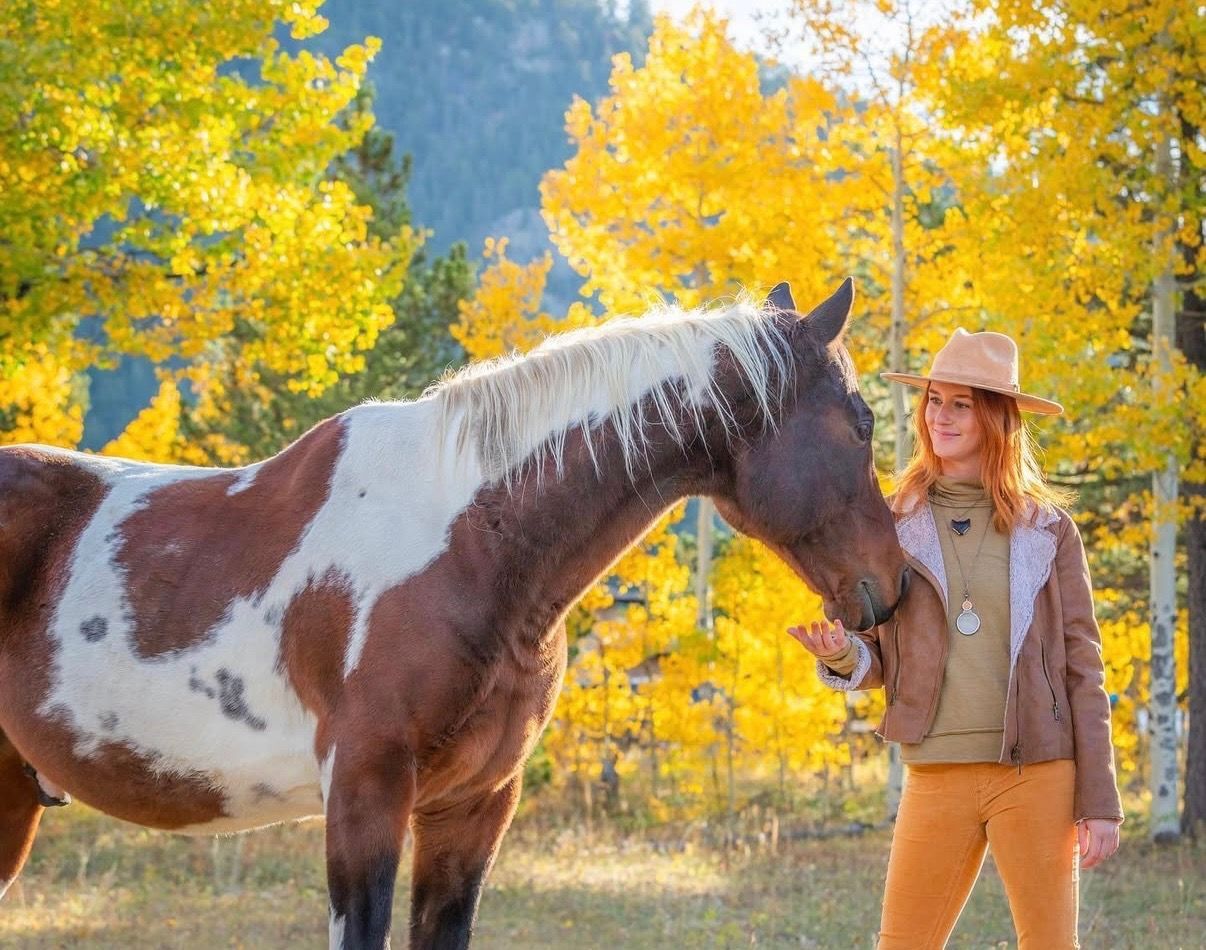
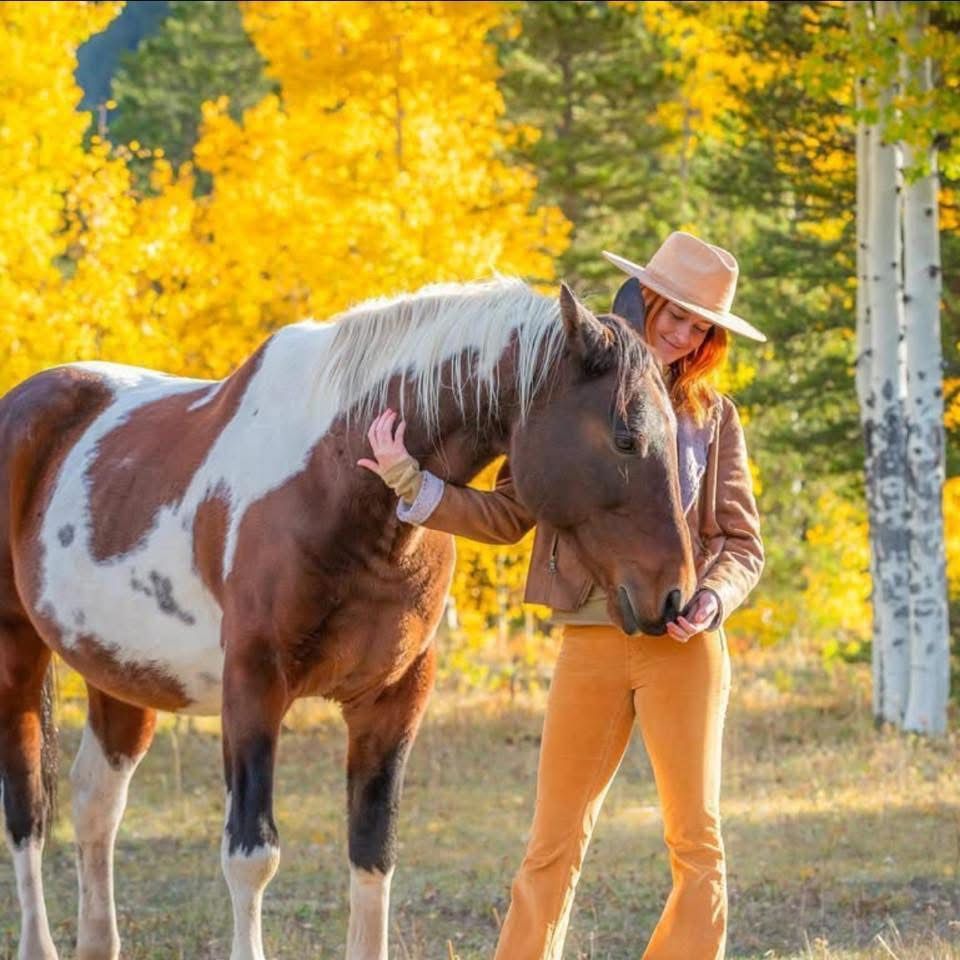
Equine-assisted therapy involves interacting with horses outdoors to improve mental and emotional health. This unique approach uses the intuitive nature of horses to provide a non-judgmental space, helping individuals develop self-awareness and tackle personal challenges without needing prior experience with horses.
Title or Question
Describe the item or answer the question so that site visitors who are interested get more information. You can emphasize this text with bullets, italics or bold, and add links.Title or Question
Describe the item or answer the question so that site visitors who are interested get more information. You can emphasize this text with bullets, italics or bold, and add links.Title or Question
Describe the item or answer the question so that site visitors who are interested get more information. You can emphasize this text with bullets, italics or bold, and add links.


Depression: The Heavy Fog and the Low Ember
At Lexie Glisson Therapy and Wellness LCSW, I view depression as what happens when a nervous system that has been overextended, chronically disconnected, or overwhelmed for too long finally moves into a kind of protective shutdown - a biological hibernation that is, in its own way, an act of self-preservation.
If you are living with depression, you may know exactly what I mean: the heavy fog, the loss of color, the sleep that never fully restores you, the activities that once brought joy now feeling hollow and unreachable. And yet something in you is still here, still looking. That low ember is where we begin.
What Depression Looks and Feels Like

Persistent heaviness, sadness, or emotional flatness

Loss of interest in activities that once brought pleasure

Fatigue and sleep disruption that don't resolve with rest
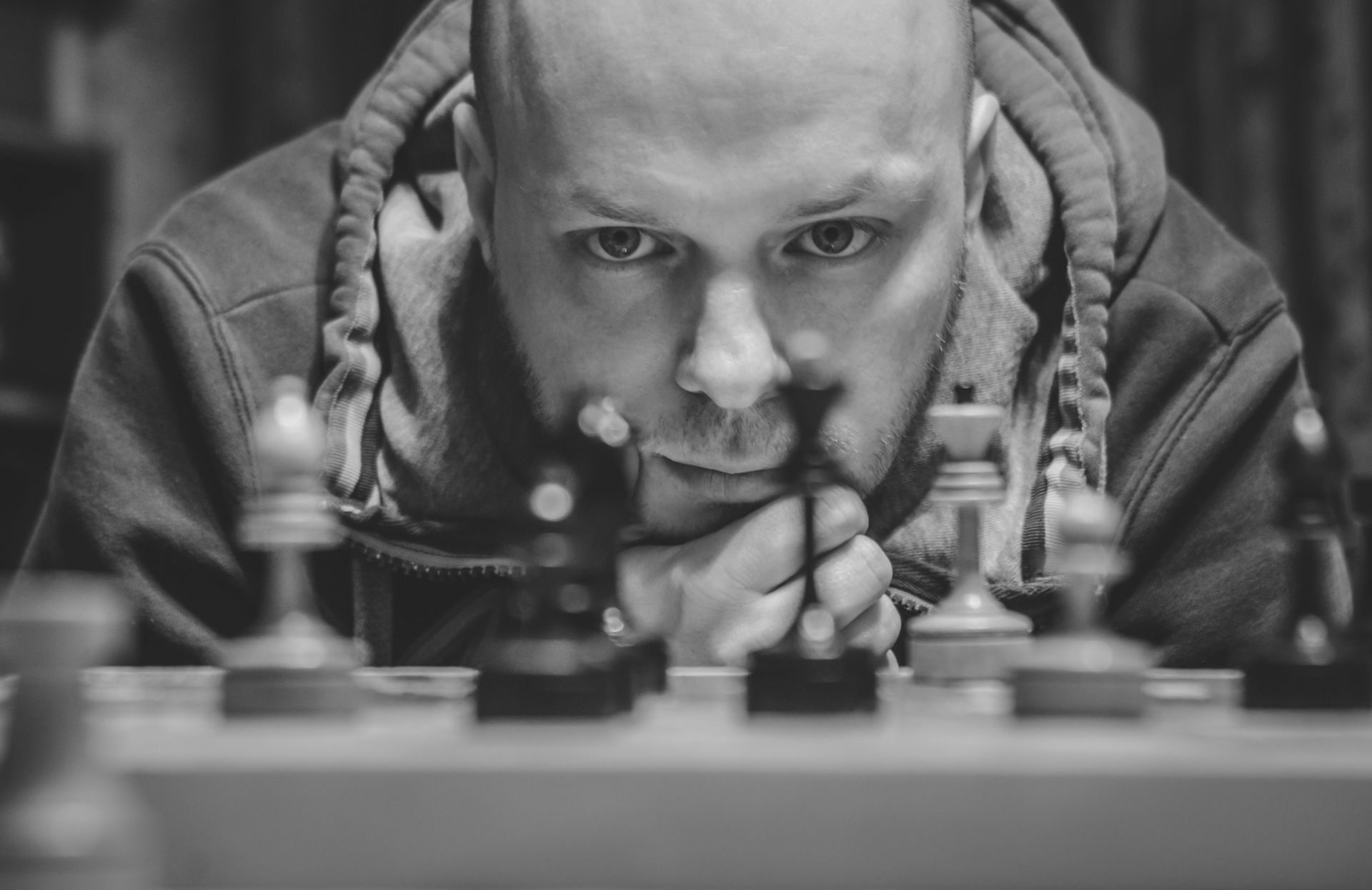
Difficulty concentrating, making decisions, or feeling motivated

Withdrawal from relationships and social connection

Physical symptoms: headaches, digestive issues, chronic pain
At Lexie Glisson Therapy and Wellness LCSW, I offer a rare integration of EMDR, somatic therapy, Gestalt practice, ecotherapy, and the EquiLateral® protocol - equine-assisted EMDR developed by Sarah Jenkins, LPC. My approach is not one-size-fits-all. It is personalized, body-based, and grounded in both clinical rigor and deep respect for the wisdom of the natural world.
I see clients in Golden, Boulder, Longmont, Colorado and virtually across Colorado and beyond. Whether you are local or traveling from out of state for an Intensive, I would be honored to be part of your healing journey.
Why Choose Lexie Glisson Therapy and Wellness LCSW?
How I Work with Depression
I use a combination of Gestalt therapy, somatic integration, EMDR, ecotherapy, and equine-assisted work to address depression at multiple levels simultaneously including the body, the nervous system, the relational field, and the narrative you carry about yourself.
Gentle Re-Engagement - No Toxic Positivity
When the system collapses, flooding it with demands like exercise more, try harder, just choose joy typically deepens shame and exhaustion. I help you find the "low embers" of your vitality: the smallest, most sustainable movements back toward life. A breath that goes deeper. A moment of sensory pleasure actually noticed. We build from there, slowly, without shame.

Relational Warmth as Medicine
One of the most consistent findings in depression research is that genuine human connection is among the most powerful antidepressants available. In our sessions, I offer a steady, non-judgmental presence that walks with you through the grey. You do not need to perform well here. You are allowed to arrive exactly as you are.

Nature's Cycles as Witness
There is real relief, for many people in the depths of depression, in understanding their experience through the lens of natural cycles. Winter is not a failure of the earth; it is a necessary season of rest and composting. I offer this perspective not to minimize suffering, but to challenge the story that you are permanently, irreparably wrong.

Curious if working together could be a good fit?
Who Can Benefit?
Depression therapy at Lexie Glisson Therapy and Wellness LCSW may be right for you if you:

Have been living with persistent low mood, flatness, or loss of interest for weeks or months regardless of whether you have a formal diagnosis

Are high functioning on the outside but quietly exhausted, empty, or going through the motions inside
Have tried medication and found it helpful but incomplete or are looking for an approach that works alongside or instead of medication
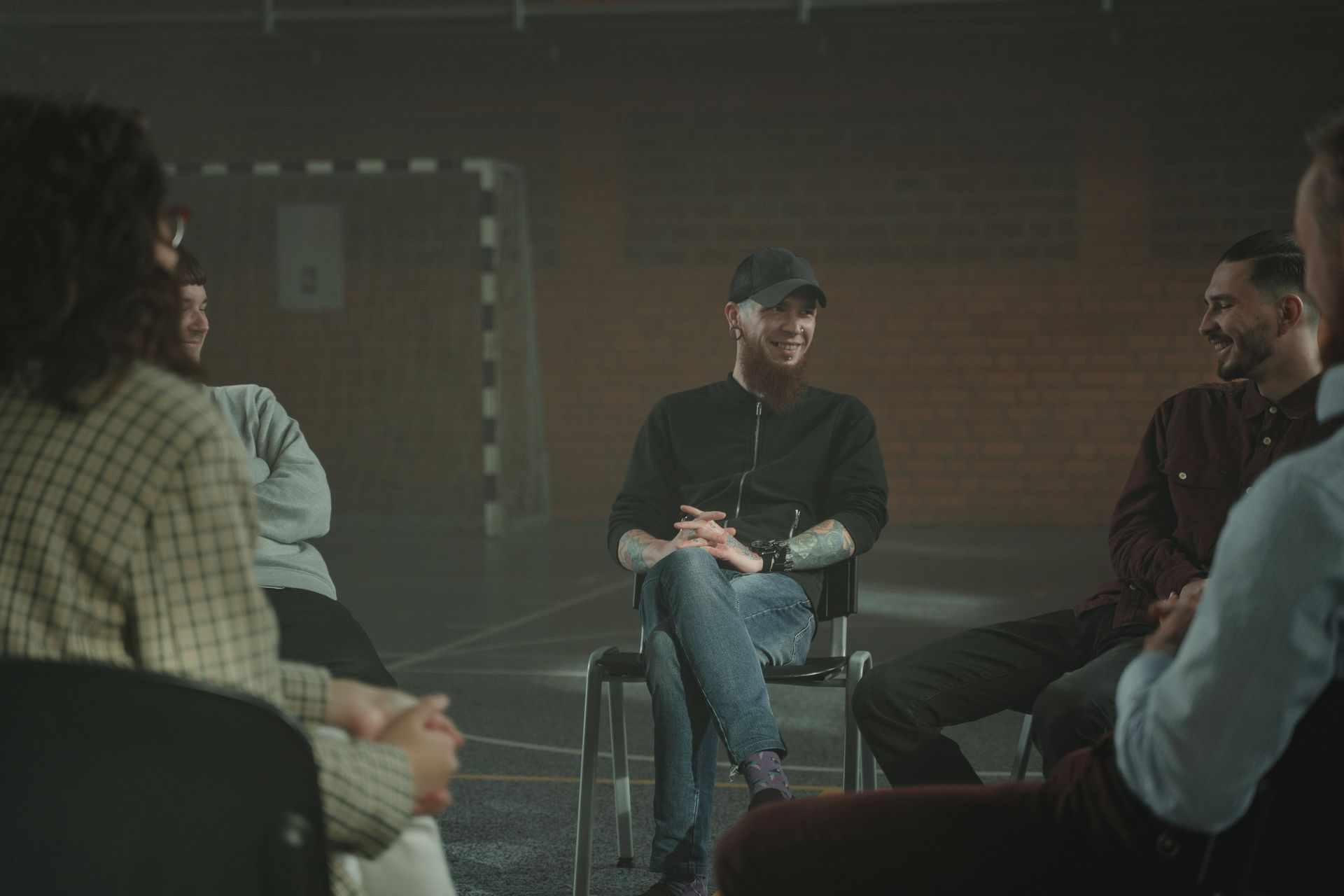
Notice that your depression is connected to grief, trauma, disconnection, or a life that has drifted far from what genuinely matters to you

Have experienced episodes of depression throughout your life and are ready to address the roots rather than manage the surface
Struggle with motivation, energy, or follow-through in ways that feel biological rather than simply behavioral
Reaching out for support is one of the most courageous things you can do. If anything on this page has resonated with you, I invite you to schedule a free consultation. Together, we will find out if working together is the right fit and what that might look like for you.
Ready to Take the First Step?
Frequently Asked Questions
-
How do I know if what I'm feeling is depression or just sadness?
It depends on the complexity of the transition and your goals. Some clients find clarity and footing within a few months. Others benefit from longer-term support, especially when transitions are layered with grief, trauma, or identity shifts that deserve sustained attention.
-
Can therapy help depression without medication?
Yes, for many people. Therapy, especially somatic, EMDR, and nature-based approaches, can create meaningful neurological change. That said, some clients benefit from medication alongside therapy. I work collaboratively with prescribers when it serves your care.
-
What if I don't have the energy to come to therapy?
I hear this often, and I take it seriously. Depression can make the act of reaching out feel impossible. Virtual sessions reduce the barrier significantly. If you can get yourself here in any form, that is enough. We start from exactly where you are.
-
Does equine-assisted therapy really help with depression?
Yes. Relationship transitions are among the most common I work with. They involve grief, identity disruption, nervous system dysregulation, and often, unprocessed relational wounds. This work responds beautifully to Gestalt and somatic approaches.
-
Can you help with depression that co-occurs with anxiety?
Yes. Depression and anxiety frequently co-occur — the nervous system oscillates between shutdown (depression) and activation (anxiety). The integrative approach at Lexie Glisson Therapy and Wellness LCSW is well-suited to working with both simultaneously.
-
Is there a quick-start option if I need intensive support?
Yes. The EquiLateral® Intensive offers two full days of concentrated therapeutic work, which can be transformative for clients with significant distress. It is particularly well-suited for those who cannot commit to weekly sessions or who want to move more quickly.
-
How is your approach to depression different from traditional CBT?
CBT works primarily at the level of thoughts and behaviors. My approach works at the level of the nervous system using somatic awareness, EMDR, Gestalt, and equine-assisted work to address the physiological roots of depression, not just its cognitive patterns.
-
Do you work with depression that is tied to trauma or grief?
Absolutely. Unprocessed trauma and unresolved grief are among the most common underlying drivers of depression. Addressing these roots rather than just managing symptoms is central to the work at Lexie Glisson Therapy and Wellness LCSW.