

Stress & Burnout: Recovering Your Vitality
At Lexie Glisson Therapy and Wellness LCSW, I work with people who are performing fine. Who have hit the wall - not because they are weak, but because they have been running on empty for too long and the system has finally registered a protest. You do not need to work harder. You need to be genuinely met, and to learn how to inhabit your life again.
Subscribe to newsletter
We will get back to you as soon as possible.
Please try again later.
Stress vs. Burnout: Understanding the Difference
Exhaustion that sleep does not fix a deep, cellular tiredness
Emotional detachment from work, relationships, or activities that once mattered deeply
Cynicism, resentment, or going through the motions
Physical symptoms: chronic illness, headaches, digestive disruption
Difficulty feeling pleasure what once landed no longer does
A creeping sense of meaninglessness or purposelessness
At Lexie Glisson Therapy and Wellness LCSW, I offer a rare integration of EMDR, somatic therapy, Gestalt practice, ecotherapy, and the EquiLateral® protocol - equine-assisted EMDR developed by Sarah Jenkins, LPC. My approach is not one-size-fits-all. It is personalized, body-based, and grounded in both clinical rigor and deep respect for the wisdom of the natural world.
I see clients in Golden, Boulder, and Longmont, Colorado and virtually across Colorado and beyond. Whether you are local or traveling from out of state for an Intensive, I would be honored to be part of your healing journey.
Why Choose Lexie Glisson Therapy and Wellness LCSW?

How I Work at Lexie Glisson Therapy and Wellness LCSW
Recovery from stress and burnout is not a matter of taking a vacation and returning refreshed. The condition is internal and external that created the burnout needs to change. This requires honest inquiry, nervous system rehabilitation, and a genuine renegotiation of the relationship between you and the demands you have agreed to carry.
Mapping the Leaks
Together, we map where your energy is actually going - the obligations, relationships, beliefs, and internal patterns that are draining you. Some of these are genuine external demands. Others are internal stories about what you owe to the world that have never been examined. We look at where you are saying yes from fear or habit rather than genuine desire, and we begin renegotiating.

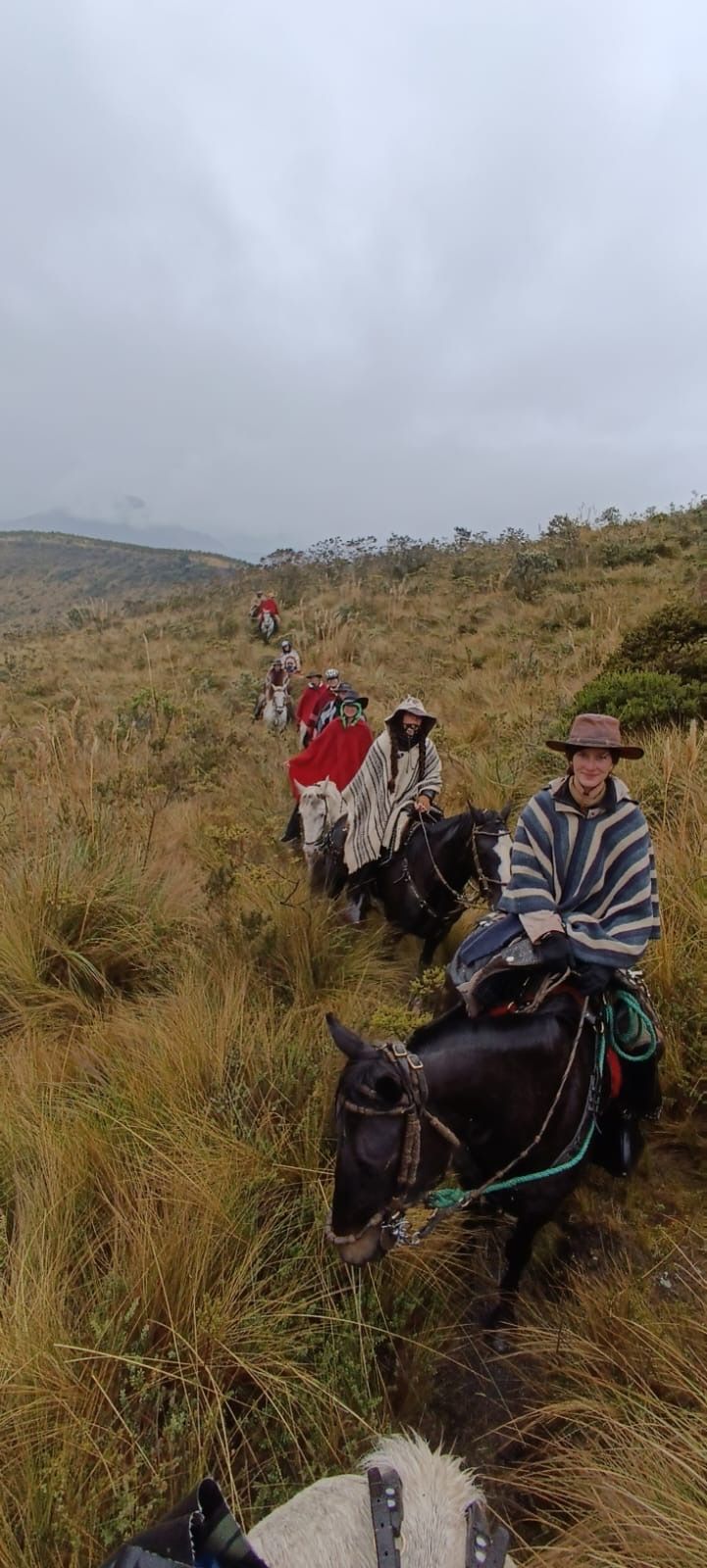
Boundaries as Somatic Practice
Sustainable limits begin not in the mouth but in the body in the felt sense of "yes" and "no" that the nervous system registers long before the mind has caught up. I help you learn to recognize your body's boundary signals and to trust and act on them. This is the foundation from which burnout recovery is built.
Nervous System Rehabilitation
Chronic stress physically reshapes the nervous system - narrowing the window of tolerance and keeping the body in a state of sympathetic activation (fight-or-flight) long after the immediate demand has passed. Recovery requires deliberately accumulating time in states of genuine safety and rest: not just thinking about being safe but teaching the body how to be there. I guide this process through somatic practice, breathwork, and time in nature.
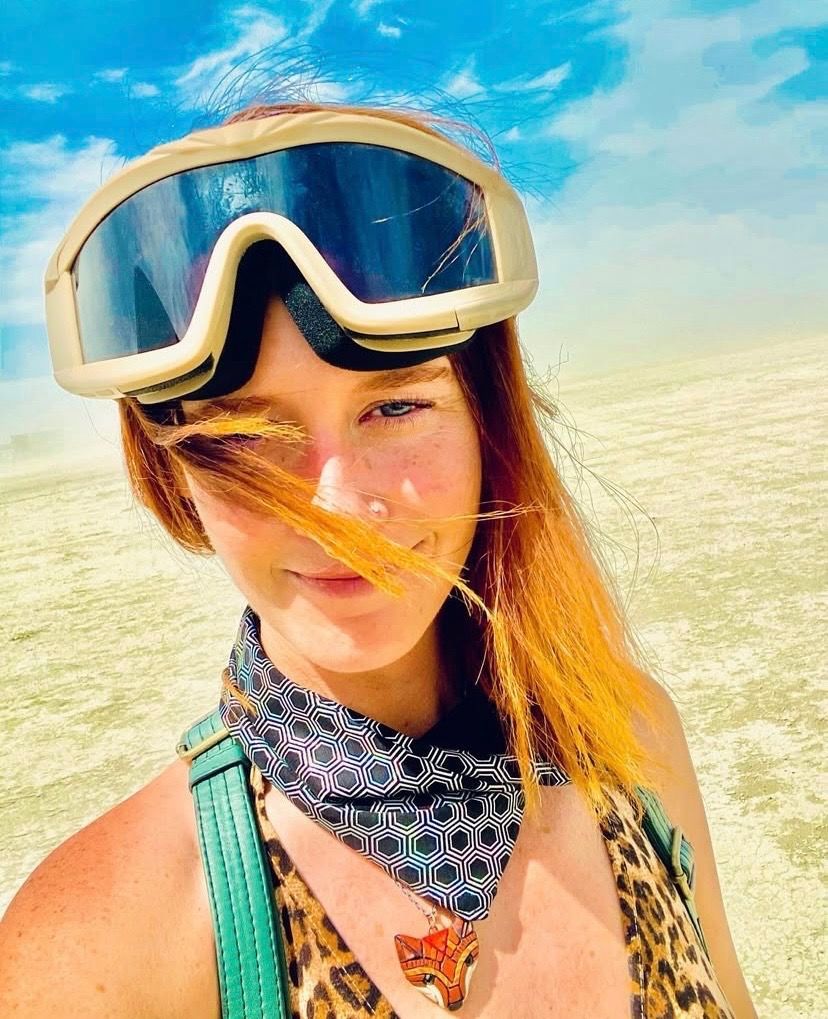

Reclaiming Pleasure and Aliveness
One of the cruelest effects of burnout is the numbing of pleasure. The things that once lit you up no longer seem to reach you. Part of recovery is the deliberate, gentle project of relearning how to receive good things - the sun on your skin, the taste of a meal, the simple animal pleasure of moving your body in open space. We are not rushing back to productivity. We are learning to live again.
Who Can Benefit?
Burnout and stress therapy at Lexie Glisson Therapy and Wellness LCSW may be right for you if you:
Have been running on empty for months and find that rest, vacations, or weekends no longer restore you to anything resembling full capacity
Are a high-achieving professional, entrepreneur, or caregiver whose output has come at the cost of your own vitality, health, or relationships
Are a therapist, counselor, nurse, teacher, social worker, or other helping professional experiencing compassion fatigue or secondary traumatic stress
Notice that you have become emotionally detached, cynical, or resentful - feelings that are foreign to who you know yourself to be
Have difficulty feeling pleasure, creativity, or genuine engagement with activities that once mattered deeply
Are experiencing chronic physical symptoms like illness, tension, sleep disruption that you suspect are connected to sustained stress
Ready to Take the First Step?
Reaching out for support is one of the most courageous things you can do. If anything on this page has resonated with you, I invite you to schedule a free consultation. Together, we will find out if working together is the right fit and what that might look like for you.
Frequently Asked Questions
-
How do I know if I have a burnout or just a rough patch?
Burnout is distinguished by its pervasiveness and persistence. It affects multiple domains simultaneously including energy, motivation, emotion, relationships and does not resolve with a weekend of rest. If you have been running empty for months and cannot remember the last time you felt genuinely restored, burnout is likely.
-
Can burnout be healed without leaving my job?
Sometimes, yes. Burnout is not always about the job itself; it is often about the relationship between your internal patterns and your external demands. Therapy can change that relationship significantly, even before external circumstances change. That said, some situations genuinely require structural change.
-
Is an intensive a good option for burnout recovery?
The EquiLateral® Intensive can be a powerful starting point for burnout recovery, particularly the somatic completion it facilitates and the experience of genuine restoration in nature. It is not a replacement for ongoing recovery, but it can catalyze something important.
-
How is your approach different from life coaching for burnout?
These exercises are designed to increase awareness and connect physical sensations with emotions. They help foster a deeper understanding of oneself and improve the ability to stay connected with the present moment. This method enhances self-awareness by encouraging clients to experience and respond to real-time emotional and sensory feedback.
-
Do you specialize in burnout for therapists and other helping professionals?
Yes. I understand the specific texture of helping-professional burnout: the vicarious trauma, the ethical weight, the difficulty asking for help when you are the one others come to. I offer individual therapy and consultation specifically suited to practitioners who need to be genuinely supported, not coached.
-
What role does nature play in burnout recovery?
Many clients find equine sessions particularly moving during grief work. The horses' non-demanding presence creates unique permission to feel without performance. Something about being witnessed by these animals allows grief to surface in ways it sometimes cannot in a conventional therapy room.
-
How long does burnout recovery take?
Recovery varies widely. Mild to moderate burnout often improves meaningfully within a few months of consistent therapeutic support. Severe or long-term burnout may require a year or more of sustained work and real structural changes alongside the internal work.
-
Can I do sessions virtually if I'm too exhausted to leave the house?
Absolutely. I offer telehealth sessions to clients across Colorado. Reducing the logistical burden of getting to an office is a genuine act of care during burnout recovery. Virtual sessions can be every bit as effective for the somatic and Gestalt work, we do together.