EquiLateral®: Where the Science of EMDR Meets the Ancient Wisdom of the Horse
Have you ever noticed that you can know you are safe but not actually feel safe? That gap between knowing and feeling is exactly where trauma lives. And it is exactly where equine-assisted EMDR meets you. As a therapist rooted in Gestalt, EMDR, equine, somatic, and nature-based practices, I work with this disconnect every day. Trauma is not simply a memory of what happened.
It is a physiological event, one that gets locked in your nervous system and colors how you see the world today. It shows up as anxiety, hyper-vigilance, a chronic sense of shutdown, or a persistent feeling that something is just off, even when life looks fine from the outside.
Subscribe to newsletter
We will get back to you as soon as possible.
Please try again later.
Is Equine-Assisted EMDR Right for You?
EquiLateral® equine EMDR may be an especially powerful fit if you:
Feel stuck or find that traditional talk therapy keeps hitting a wall
Experience chronic anxiety, hyper-vigilance, or a freeze and shutdown response
Want to process trauma but find talking about the details overwhelming or re-traumatizing
Are you looking for an experiential therapy for PTSD in Colorado that works through the body, not just the mind
Desire a deeply somatic, nature-based approach to healing trauma
Are you curious about how to process trauma without talking and ready to try something different
EquiLateral® is grounded in EMDR therapy and the Adaptive Information Processing (AIP) model. This model proposes that your brain has a natural, neurobiological system oriented toward health and healing, the same way your body moves to heal a physical wound.
When a traumatic event occurs, that system can get blocked. The memory stays stored in its raw, unprocessed form. Every time something triggers you, your brain's alarm system fires as if the danger is happening right now. The past and the present collapse into each other.
Equine-assisted EMDR Colorado clients describe this beautifully: they know, intellectually, that the threat is gone, but their body has not received the message yet. EMDR therapy works with the nervous system directly to finally deliver that message.
The Adaptive Brain: Why EMDR Works
Why Horses? The Sentient Co-Facilitator
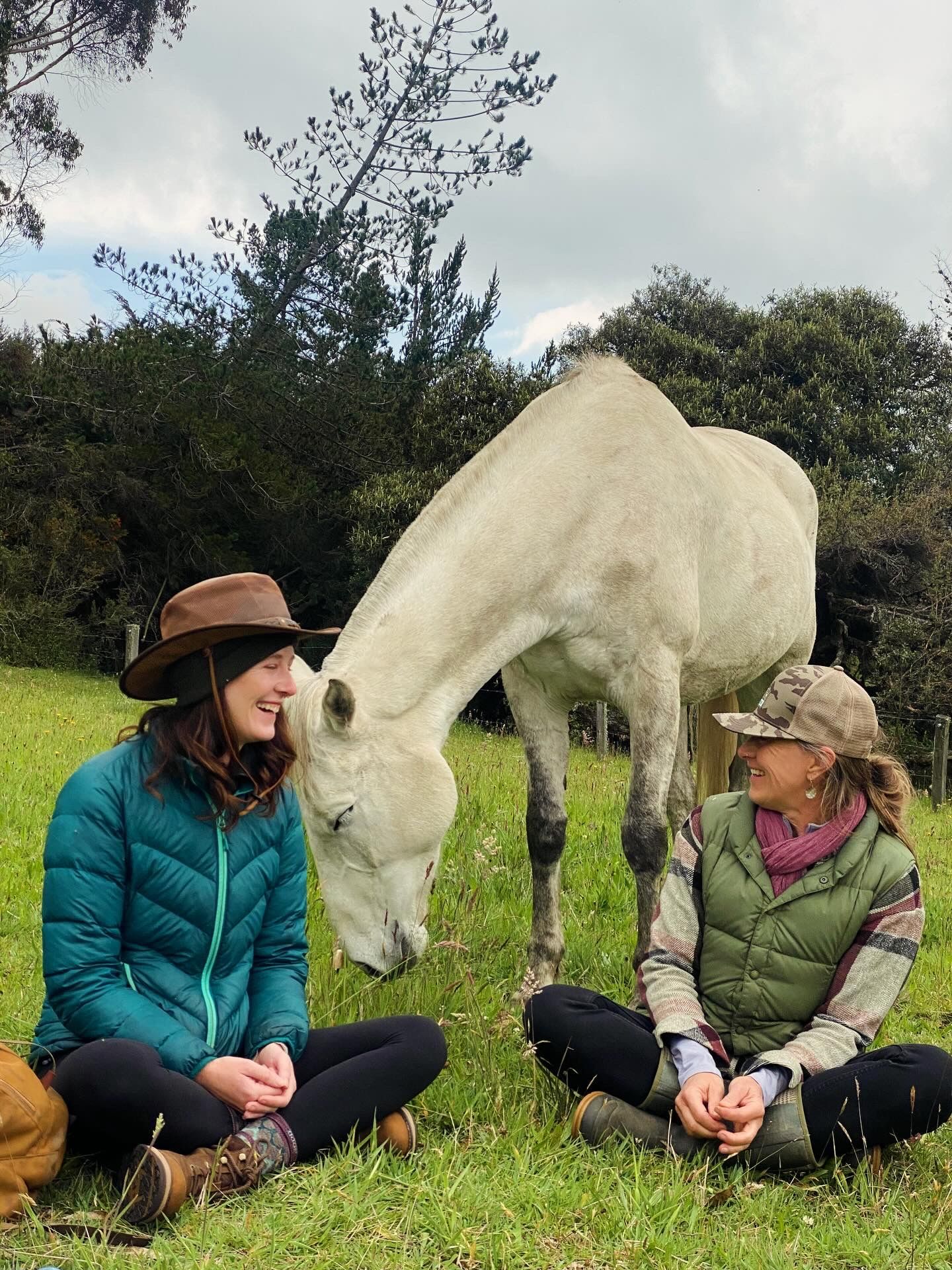
In EquiLateral®, we do not use horses as props or tools. We view them as sentient co-facilitators — active partners in the healing process. While traditional equine therapy in Boulder and Golden offers profound somatic healing on its own, EquiLateral® integrates the horse directly into every phase of the EMDR protocol to accelerate and deepen processing in a way that words alone cannot reach. Horses are prey animals. They have survived millions of years by being exquisitely attuned to congruence, the alignment between what is happening inside and what is being expressed outside.
A horse does not respond to the story you tell with your mouth. It responds to what your nervous system is doing. When you are incongruent when your inner state of fear does not match your outward mask of "I'm fine" — a horse feels it. Their presence creates a living mirror, one that invites you to drop the performance and get honest about the conflict happening inside. For many people seeking alternative trauma therapy in Boulder and Denver, this is the doorway that talk therapy alone cannot open.
What to Expect — No Horse Experience Required
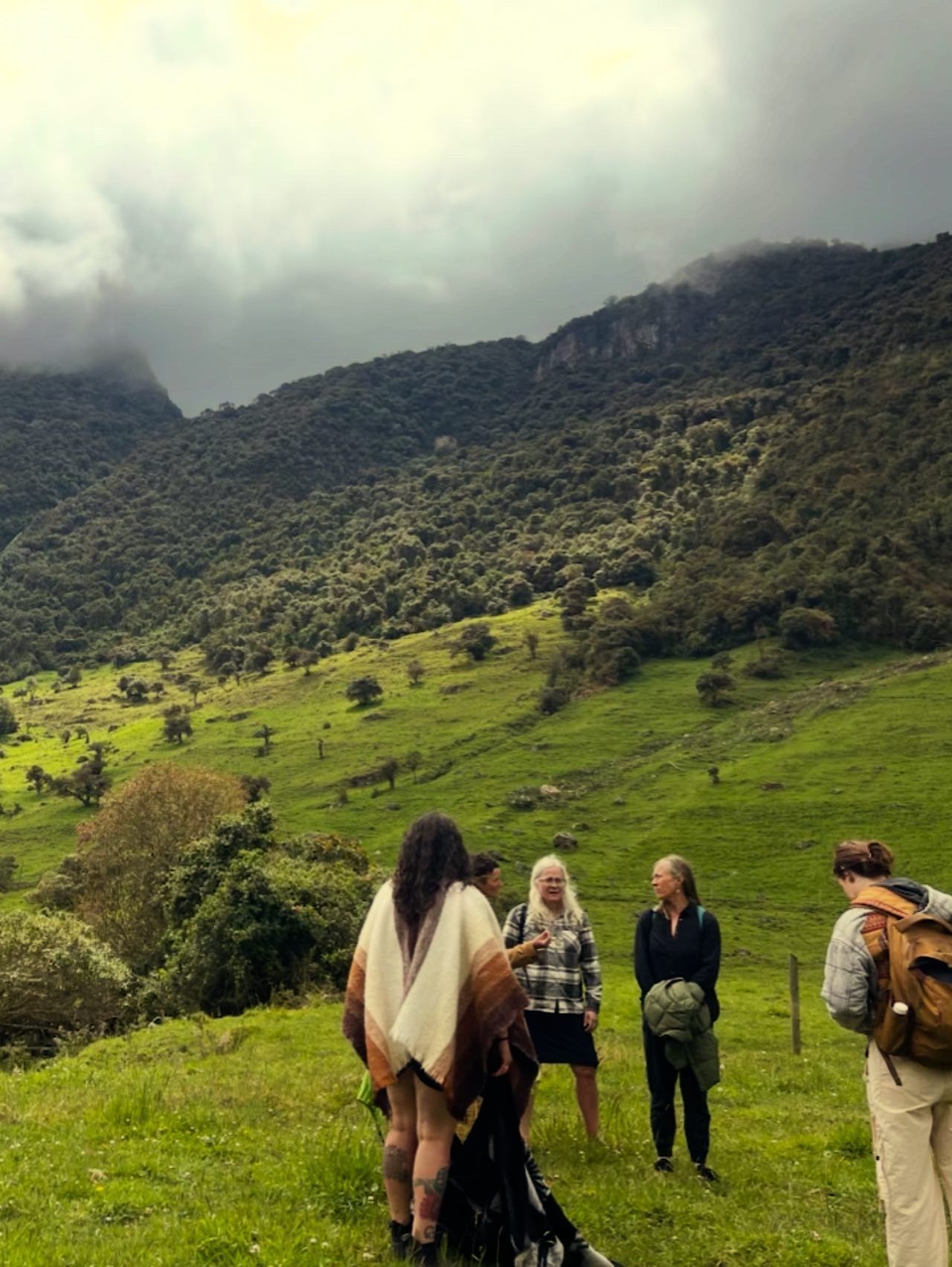
Many people come to Equine EMDR in Denver or Boulder having never spent time around horses. That is completely okay. Here is what you can count on:
- 100% Ground-Based: All EquiLateral® sessions take place on the ground. There is no riding, ever.
- Safety First: Safety for both you and horses is our highest priority. We work in a contained, carefully held environment where you interact with these animals at your own pace and comfort level.
- Portable Bilateral Stimulation: To facilitate EMDR processing in the arena, we use specialized bilateral stimulation (BLS) equipment including audio tones and tactile tappers alongside the organic, living movement of the environment itself.
- No Experience Needed: You do not need to know anything about horses to do this work. What you bring is enough.
How the Process Unfolds
EquiLateral® weaves equine-assisted interactions throughout all eight phases of EMDR. We are not simply doing activities with horses. We are partnering with them to access, stimulate, and move unprocessed material toward resolution.
- Preparation: The horse helps us build internal resources, regulate the nervous system, and cultivate a genuine sense of mastery before we approach the difficult material.
- Dual Awareness: The horse's physical presence becomes a living anchor. You stay connected to the safety of the present moment while we gently touch the pain of the past.
- Desensitization: As we process memories using bilateral stimulation, we watch for the horse's organic responses — a deep sigh, a lick and chew, a quiet shift in weight. These subtle signals mirror your own somatic shifts, helping your nervous system recognize, at last, that the threat is finally over.
This is what makes equine EMDR so distinctive as an alternative PTSD treatment in Colorado. The horse's body becomes a real-time reflection of your own healing process.

Integration
For profound losses — the death of a child, a life partner, a dearest friend "getting over it" may never fully happen and probably should not. The goal is integration: weaving the loss into the fabric of who you are, so that it deepens rather than diminishes you. Grief, fully tended, can be one of the most powerful forces for growth and aliveness available to us.
The Horses as Witnesses to Loss
Horses are extraordinarily sensitive to grief. They seem to recognize the frequency of a person in mourning, and they often respond with a quiet, steady presence that many clients describe as the most comforting companionship they have experienced since the loss. There is something about being witnessed by a creature that wants nothing from you except your honest presence that creates a unique permission for grief to move.
Who Can Benefit?
Grief therapy at Lexie Glisson Therapy and Wellness LCSW may be right for you if you:
Are mourning the death of a person or animal who was central to your life
Lost someone months or years ago but find the grief still interferes with your daily life, relationships, or sense of self
Have never had a genuine space to grieve, and carry losses that were never fully witnessed or acknowledged
Are experiencing what feels like complicated grief where mourning has become stuck, overwhelming, or consuming
Are grieving a traumatic loss and find that the trauma and the grief are intertwined in ways that ordinary bereavement support hasn't fully addressed
Are drawn to the idea of working with horses as a particularly safe and non-demanding space to let grief move
Ready to Experience a Different Kind of Healing?
You have tried understanding the past. Now let your nervous system finally release it. EquiLateral® equine-assisted EMDR in Boulder and Denver offers a path to healing that is grounded, embodied, and unlike anything you have experienced before. Take the next step today.
Frequently Asked Questions
-
Do I need any experience with horses to participate in equine-assisted EMDR?
No experience is needed whatsoever. Sessions are entirely ground-based; there is no riding involved. We introduce you to the horses gradually, at your own pace, within a safe and carefully held environment. Comfort, not expertise, is all that is required.
-
How does Equine EMDR in Boulder compare to traditional talk therapy for trauma?
Talk therapy relies on verbal narration, which keeps trauma partially in the cognitive mind. Equine-assisted EMDR works directly with the nervous system through bilateral stimulation and somatic feedback, helping resolve trauma stored in the body, often reaching places words simply cannot.
-
Is EquiLateral® right for me if I have PTSD or complex trauma?
EquiLateral® is designed specifically for trauma that feels stuck, chronic, or overwhelming to talk about. If you experience anxiety, hyper-vigilance, or emotional shutdown, this approach may reach what traditional therapy does not have. A consultation helps us assess fit carefully and safely.
-
What does bilateral stimulation look like when used outside in the arena?
We use portable, specialized BLS equipment including audio tones delivered through headphones and handheld tactile tappers so the full EMDR protocol can be administered in an open, outdoor environment. The horses' natural movement around you become part of the bilateral experience itself.
-
How do I know if I am safe working around horses?
Safety is our absolute highest priority for both you and the animals. All sessions take place in a contained, monitored space. Lexie is trained in equine safety and holds the EquiLateral® certification. We move at your pace, and you are always in control of your level of engagement.
-
Can I do equine-assisted EMDR if I have a fear of horses?
Yes. Fear of horses is actually fairly common among first-time participants. The preparation phase of the EquiLateral® protocol is designed to regulate your nervous system and build genuine readiness before any direct interaction occurs. The horses themselves tend to soften fear quickly and naturally.
-
Where are EquiLateral® sessions held?
Sessions take place at a private farm serving the Boulder and Denver metro area of Colorado. Exact location details are shared once a consultation call is completed. Lexie works with clients both locally and those traveling from other parts of Colorado or out of state.