Equine-Assisted Therapy in Boulder
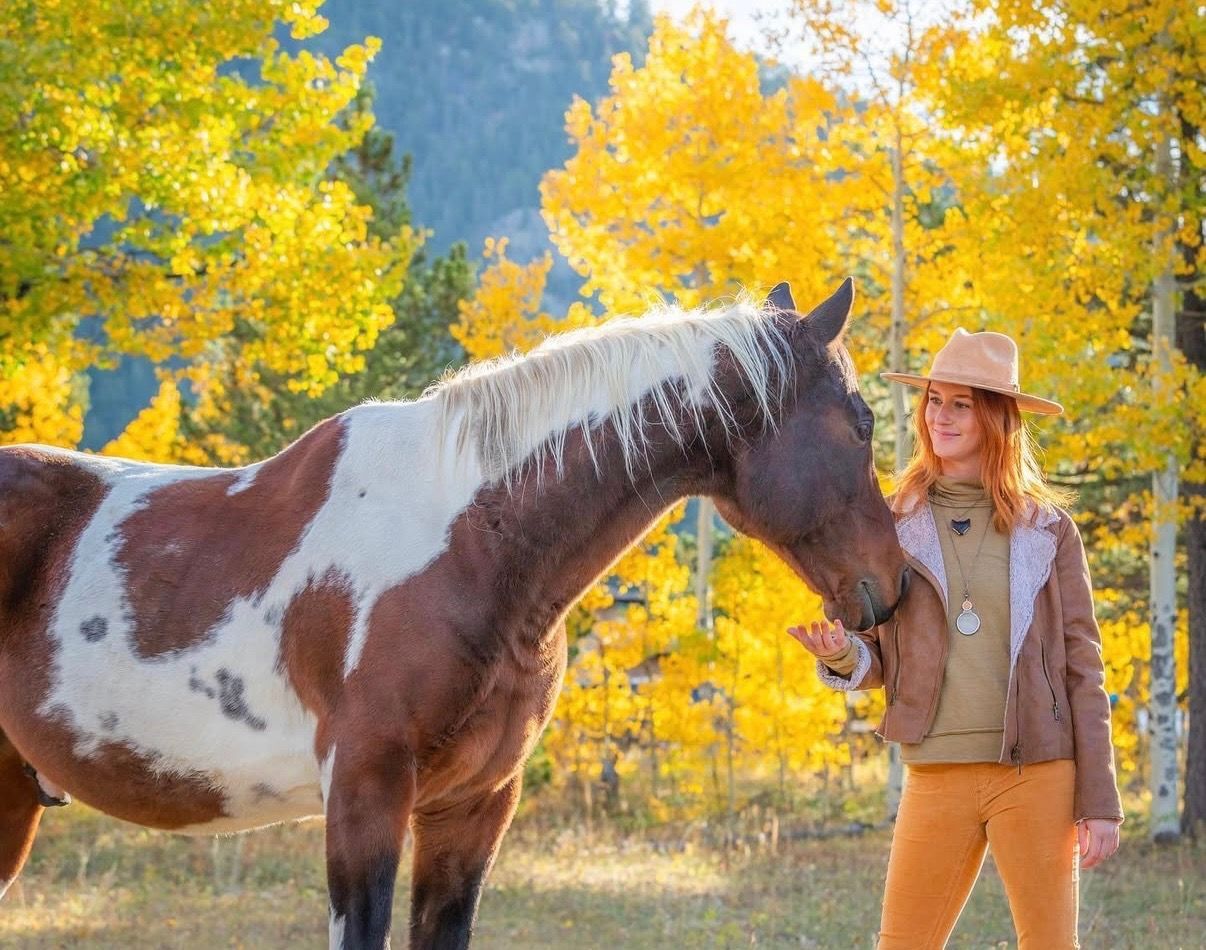
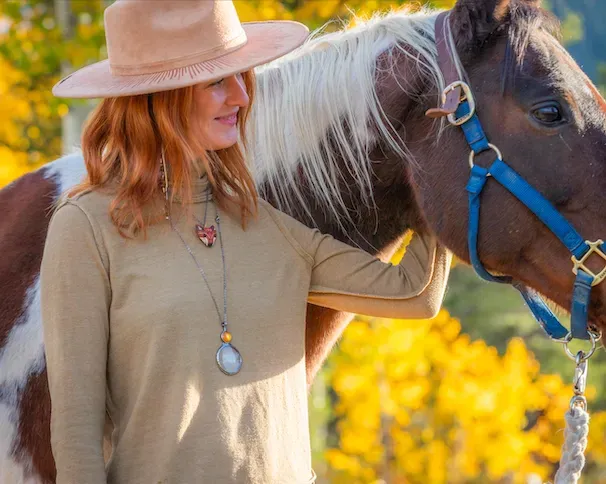
Equine-assisted therapy involves interacting with horses outdoors to improve mental and emotional health. This unique approach uses the intuitive nature of horses to provide a non-judgmental space, helping individuals develop self-awareness and tackle personal challenges without needing prior experience with horses.
Title or Question
Describe the item or answer the question so that site visitors who are interested get more information. You can emphasize this text with bullets, italics or bold, and add links.Title or Question
Describe the item or answer the question so that site visitors who are interested get more information. You can emphasize this text with bullets, italics or bold, and add links.Title or Question
Describe the item or answer the question so that site visitors who are interested get more information. You can emphasize this text with bullets, italics or bold, and add links.

PTSD & Trauma: Negotiating the Past in the Present
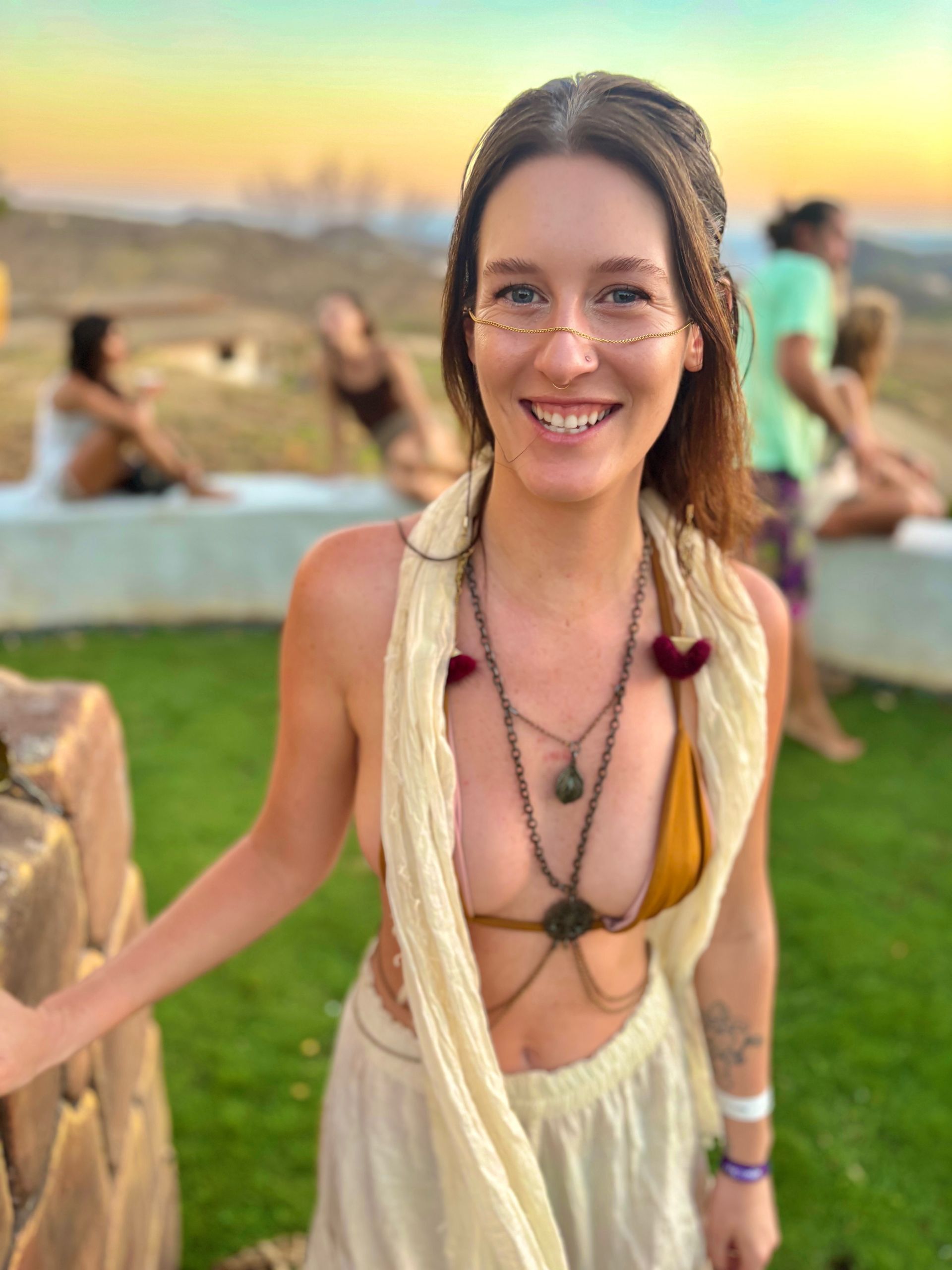
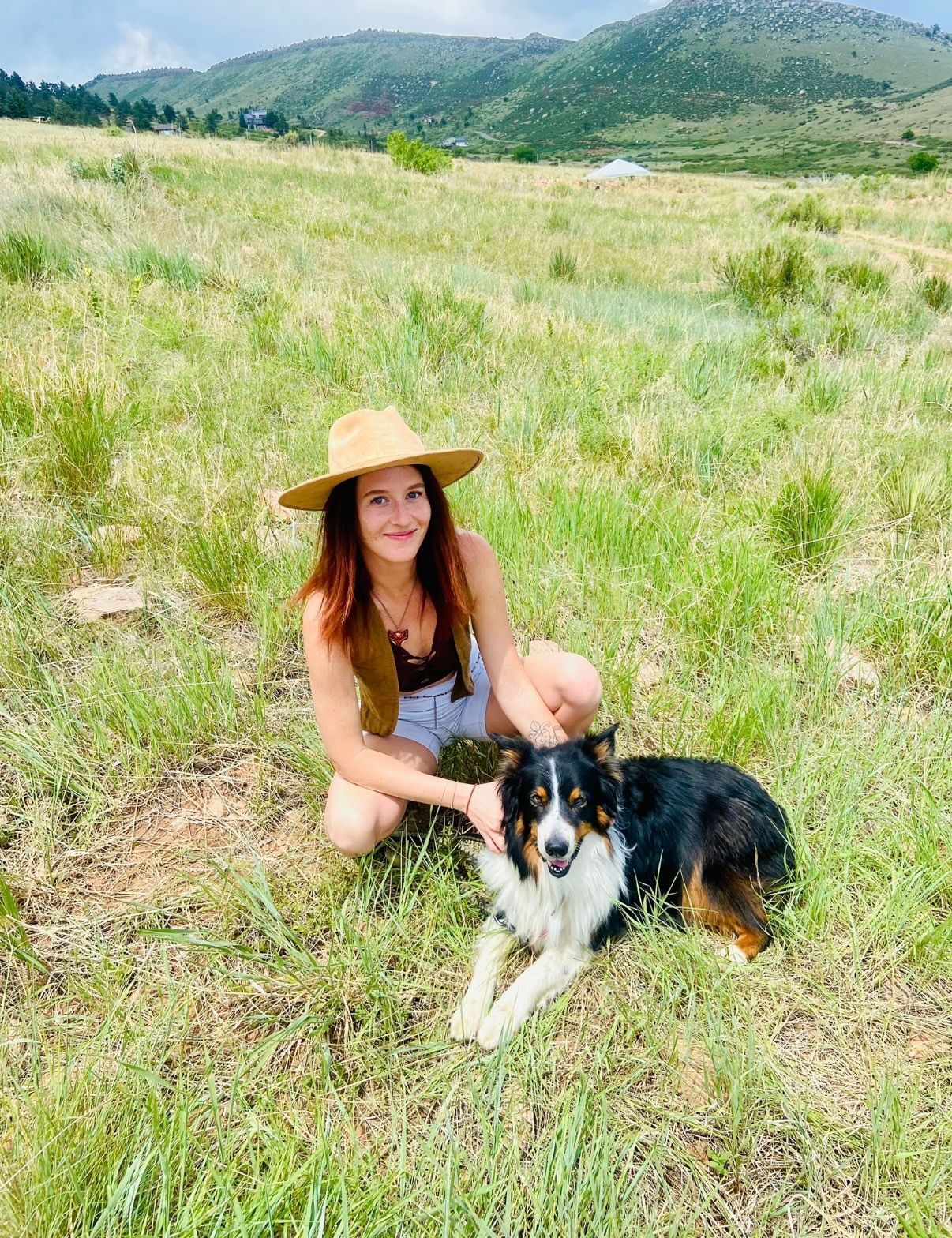
At Lexie Glisson Therapy and Wellness LCSW, I work with individuals in Colorado and virtually across the country who are living with the lingering weight of traumatic experiences whether those are single overwhelming events or the cumulative impact of years of chronic stress, unsafe relationships, or a childhood that did not feel safe.
What Trauma Does to the Nervous System
Hypervigilance and difficulty relaxing even in objectively safe environments
Intrusive memories, flashbacks, or nightmares that feel more like re-living than remembering

Emotional disconnection, numbness, or dissociation

Physical symptoms: tension, fatigue, digestive disruption

Difficulty trusting others or feeling safe in close relationships

Avoidance of people, plchronic aces, or conversations that echo the original wound
At Lexie Glisson Therapy and Wellness LCSW, I offer a rare integration of EMDR, somatic therapy, Gestalt practice, ecotherapy, and the EquiLateral® protocol - equine-assisted EMDR developed by Sarah Jenkins, LPC. My approach is not one-size-fits-all. It is personalized, body-based, and grounded in both clinical rigor and deep respect for the wisdom of the natural world.
I see clients in Golden, Boulder, and Longmont, Colorado and virtually across Colorado and beyond. Whether you are local or traveling from out of state for an Intensive, I would be honored to be part of your healing journey.
Why Choose Lexie Glisson Therapy and Wellness LCSW?
How I Work at Lexie Glisson Therapy and Wellness LCSW
My trauma work is grounded in EMDR, somatic integration, Gestalt therapy, ecotherapy, and the EquiLateral® protocol. It is a powerful modality that weaves equine-assisted interaction throughout all eight phases of EMDR. I do not ask you to simply recount what happened. I meet you at the level of the body where the wound actually lives.
EMDR: Reprocessing the Charge
EMDR uses bilateral stimulation to help your brain finally "file" traumatic memories in the part of the mind that understands the past. Instead of remaining stored as raw, electrically charged material, the memory moves toward resolution. Many clients describe this as the first time they could think about a painful event without being flooded by it. The memory doesn't disappear; it simply loses its grip on the present.
Somatic Integration: The Body Knows
Somatic therapy invites you to notice what is happening in your body as we work the tightening in the throat, the softening of the shoulders, the breath that suddenly deepens. These physical shifts are not distractions from healing. They are healing. By learning to track your internal landscape with curiosity rather than fear, you gradually reclaim a sense of agency in your own body.

EquiLateral®: The Horse as Co-Facilitator
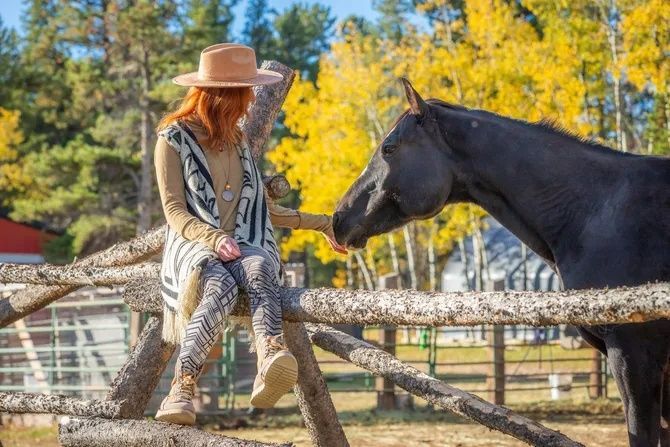
In equine-assisted sessions, horses act as living mirrors for the human nervous system. As prey animals finely attuned to their environment, they respond to your internal truth; not your story. Their presence creates a unique invitation for co-regulation, helping your nervous system practice safety in a way that words alone rarely reach. EquiLateral® sessions are available at Colorado locations in Golden, Boulder, and Longmont.
Curious if working together could be a good fit?
Who Can Benefit?
Trauma therapy at Lexie Glisson Therapy and Wellness LCSW is a good fit for a wide range of people. You may benefit from this work if you:

Have experienced a single overwhelming event like an accident, assault, medical emergency, or sudden loss and feel like part of you is still stuck there

Grew up in a household that felt unpredictable, unsafe, or emotionally unavailable, and carry those patterns into your adult relationships
Have been diagnosed with PTSD, complex PTSD (C-PTSD), or acute stress disorder or suspect you may meet those criteria even without a formal diagnosis


Notice that certain triggers produce reactions that feel disproportionate and difficult to control

Have tried talk therapy and found it didn't shift the way trauma lives in your body
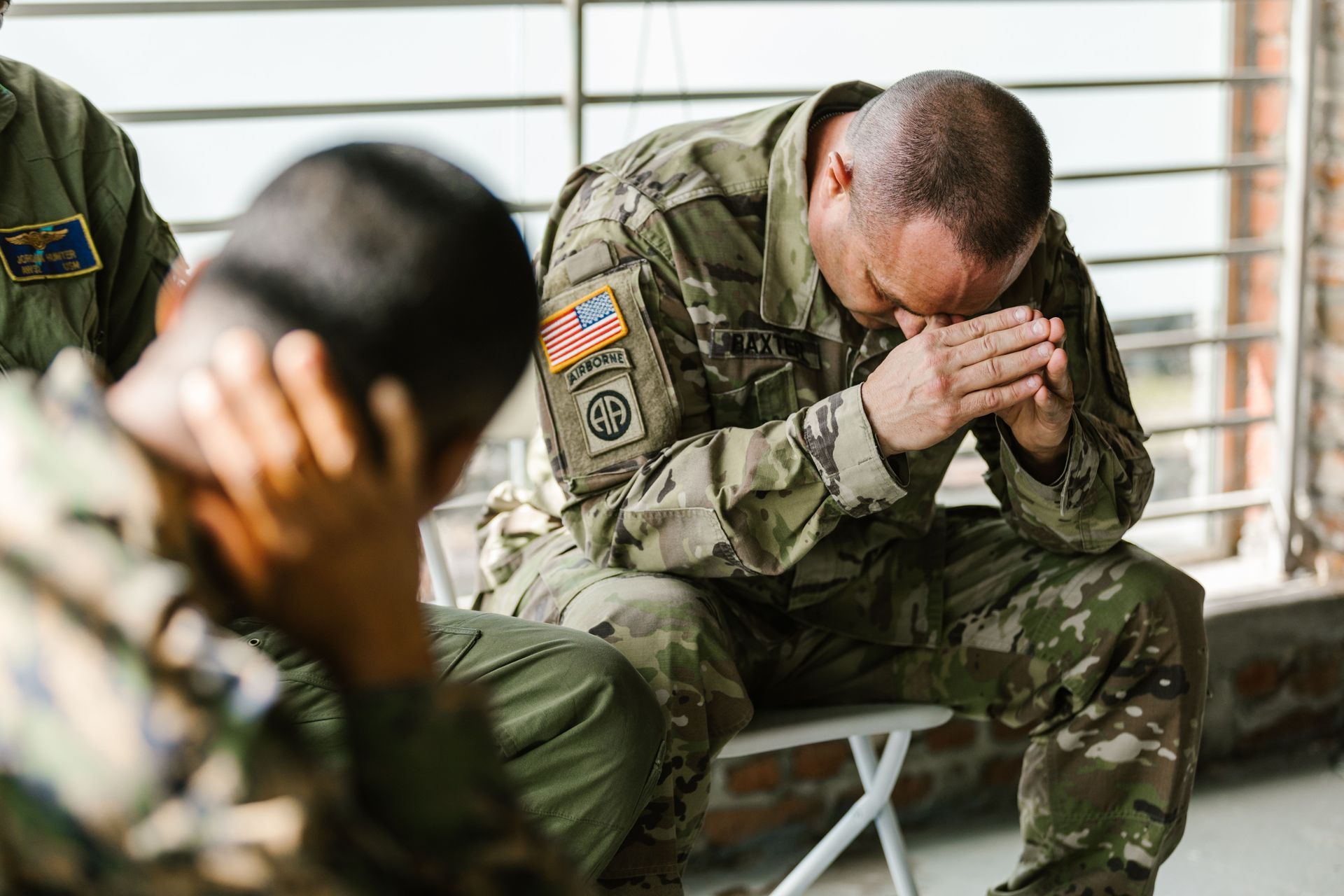
Are a first responder, military veteran, or healthcare worker carrying occupational trauma
Reaching out for support is one of the most courageous things you can do. If anything on this page has resonated with you, I invite you to schedule a free consultation. Together, we will find out if working together is the right fit and what that might look like for you.
Ready to Take the First Step?
Frequently Asked Questions
-
What is the difference between PTSD and general trauma?
Equine Assisted Therapy (EAT) is a form of experiential therapy that includes interaction with horses to promote emotional growth and healing. It is particularly effective for individuals dealing with trauma, anxiety, depression, and relational challenges.
As a Licensed Clinical Social Worker and a certified equine specialist, I integrate my profound personal experiences with horses to facilitate recovery and empowerment through guided equine interaction.
-
How long does trauma therapy typically take?
Duration varies widely based on trauma complexity, individual nervous system resilience, and treatment goals. Some clients find significant relief in months; others benefit from longer-term work. Intensives can accelerate progress for those unable to commit to weekly sessions.
-
Is EMDR safe for complex or childhood trauma?
Yes. EMDR is evidence-based and widely used for complex trauma. I pace the work carefully, ensuring clients remain within their window of tolerance. Preparation and stabilization phases are given as much time as needed before processing begins.
-
Do I have to describe my trauma in detail during sessions?
Equine-assisted therapy offers a holistic approach to healing, fostering both emotional and physical well-being. Clients engage in activities with horses that promote emotional and psychological growth, such as uncovering and addressing hidden emotions, reducing anxiety, and enhancing self-esteem. Simultaneously, the physical interaction with horses during therapy sessions improves motor skills, coordination, and overall physical health.
-
What is the EquiLateral® Intensive sessions and are they right for me?
EquiLateral® Intensives are immersive two-day experiences combining equine-assisted interaction with full EMDR processing. They are particularly effective for people who are ready for deeper work, live out of state, or want to move beyond the limitations of the 50-minute clinical hours.
-
Do you work with trauma from childhood or early relationships?
Absolutely. Much of the trauma work I do involve early relational wounds like neglect, emotional unavailability, family instability, or abuse. These experiences shape the nervous system deeply, and they respond beautifully to the somatic, nature-based approaches I practice.
-
Can trauma therapy be done virtually?
Yes. I offer virtual therapy sessions to clients across Colorado and beyond. While equine-assisted work is location-specific, EMDR and somatic therapy translate meaningfully to telehealth with the right preparation and tools in place.
-
How is Lexie Glisson Therapy different from standard trauma therapy?
My approach integrates EMDR, somatic work, Gestalt therapy, ecotherapy, and the EquiLateral® protocol — a rare combination that addresses trauma at the level of the body, not just the mind. I work where the wound actually lives.