
Relationships: The Shimmering Conversation
At Lexie Glisson Therapy and Wellness LCSW, I work with individuals navigating the full complexity of relational life: partnerships in distress, family entanglements, the aftermath of betrayal, patterns that repeat across different relationships, and the most fundamental relationship of all - the one you have with yourself. The work we do together changes not just one relationship, but the relational field you carry everywhere you go.
Subscribe to newsletter
We will get back to you as soon as possible.
Please try again later.
The Dance You May Not Know You're In
Cycles of conflict that escalate rapidly and leave everyone feeling unheard
Longing for closeness alongside a fear of it the push-pull of intimacy
Chronic people-pleasing and the quiet resentment that builds behind it
Difficulty trusting, even when the relationship is genuinely safe
Losing yourself in relationships - abandoning your own needs to maintain connection
Avoidance of conflict to the point that important things are never said
At Lexie Glisson Therapy and Wellness LCSW, I offer a rare integration of EMDR, somatic therapy, Gestalt practice, ecotherapy, and the EquiLateral® protocol - equine-assisted EMDR developed by Sarah Jenkins, LPC. My approach is not one-size-fits-all. It is personalized, body-based, and grounded in both clinical rigor and deep respect for the wisdom of the natural world.
I see clients in Golden, Boulder, Longmont, Colorado and virtually across Colorado and beyond. Whether you are local or traveling from out of state for an Intensive, I would be honored to be part of your healing journey.
Why Choose Lexie Glisson Therapy and Wellness LCSW?

How I Work with Relational Challenges
My approach to relationship work begins with the understanding that how we connect and disconnect is fundamentally a physiological process. The nervous system is the organ of a relationship. Change at this level requires more than communication skills, though those matter too. It requires working in the body.
Somatic Attunement and Co-Regulation
Before we can address how you communicate, we need to understand what is happening in your body when you are in conflict, or when you are trying to be close. I help you develop the capacity to notice your own physiological state in relational moments and to understand how your nervous system state shapes what is possible between you and another person.
Attachment and the Stories We Carry
Your attachment style - the way your nervous system learned to navigate closeness and distance in your earliest relationships is one of the most powerful forces shaping your relational patterns today. Through a somatic lens, I help you identify not just the intellectual understanding of your attachment patterns, but the felt, embodied experience of them: what clinging feels like in your chest, what shutting down feels like in your body, and what it would take to build new experiences of safety in connection.
Authentic Communication From the Body
The most meaningful communication is not always the most articulate. I teach clients to speak from their "animal body" from gut truth rather than defensive strategy. This requires learning to slow down in difficult conversations, to track what is happening inside you before you respond, and to risk the vulnerability of saying the real thing rather than the managed thing.


The Horses as Relational Teachers
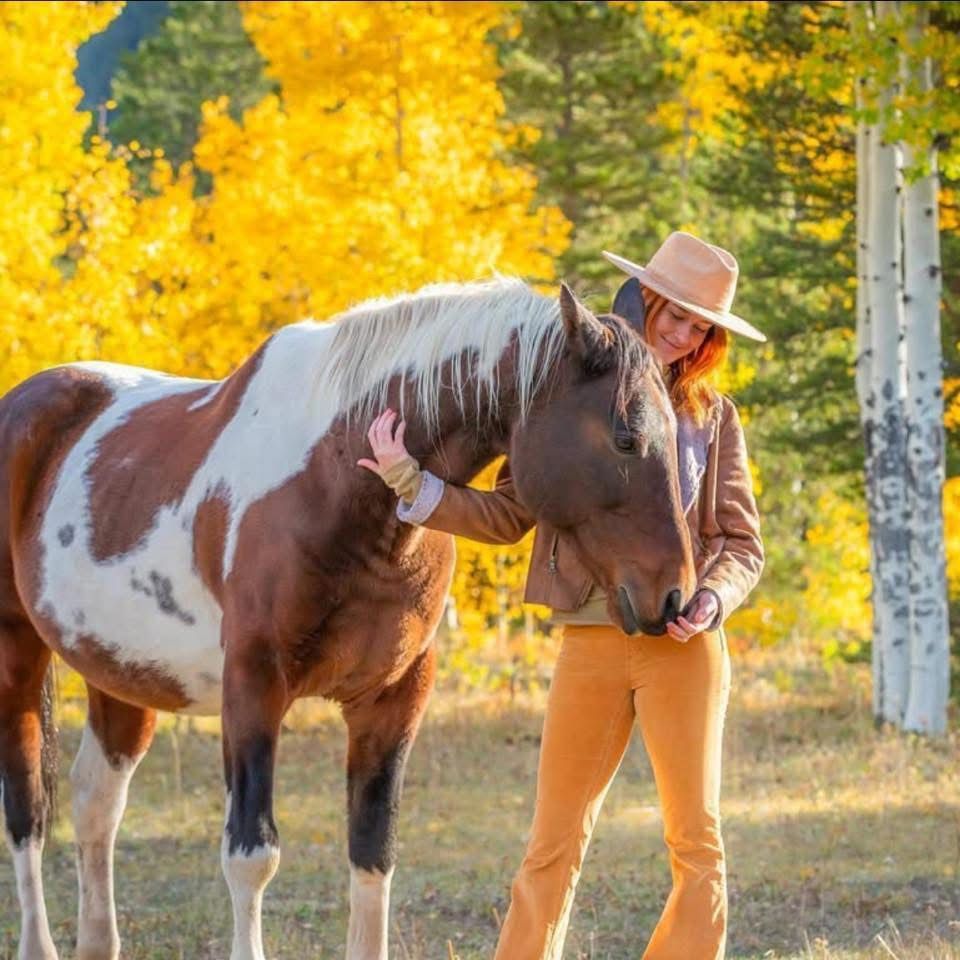
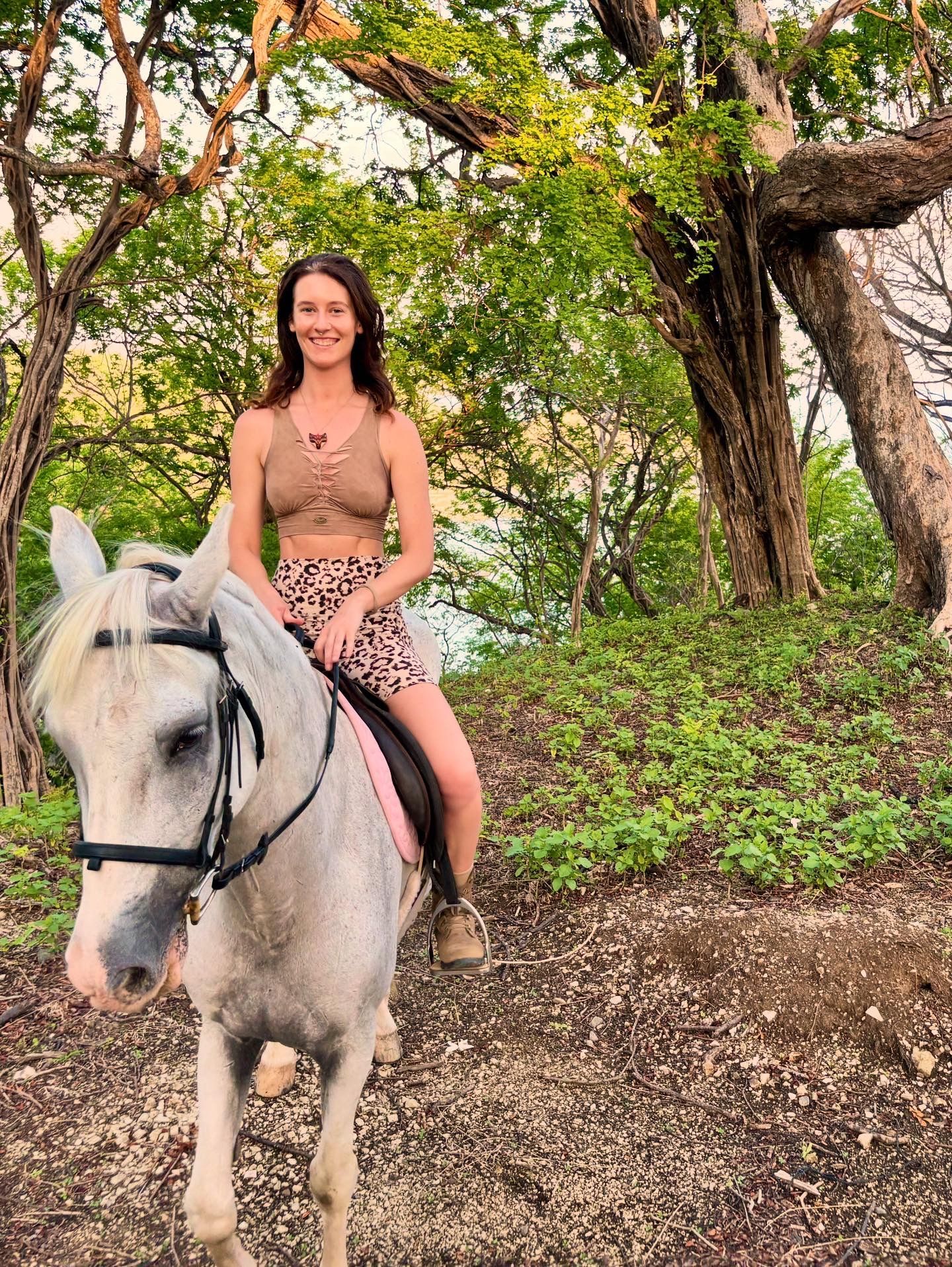
Horses live in constant, sophisticated relationships with one another. Their herd is a relational ecosystem: with leaders and followers, clear boundaries, and genuine repair after conflict. In equine-assisted sessions, clients often encounter in vivid, embodied form the same relational dynamics they struggle with in their human relationships. The horse's honest, non-verbal feedback creates an extraordinary opportunity for insight that the therapy room alone cannot always offer.
The Relationship With Yourself
Every pattern in your external relationships is also a pattern in your relationship with yourself. The inner critic who never lets you rest. The part of you that performs constantly. The one who abandons your own needs before anyone has the chance to abandon them for you. The most foundational relational work is often the work of coming home to yourself developing a relationship with your own inner world that is characterized by genuine curiosity, compassion, and honesty. This is the ground from which every other relationship grows.
Who Can Benefit?
Relationship therapy at Lexie Glisson Therapy and Wellness LCSW may be the right fit if you:
Find yourself in recurring relational patterns like pursuing or withdrawing, over-giving or shutting down that you want to finally understand and change
Struggle with intimacy: a deep longing for connection alongside a fear of what closeness might cost you
Are healing from a betrayal, infidelity, or significant relational rupture and need support that holds both the grief and the complexity
Feel lonely even within a relationship seen on the surface but not truly known and want to change that
Have realized that your relational patterns trace back to early attachment wounds that never received direct therapeutic attention
Are preparing to enter couples therapy and want individual support to show up as fully yourself in that process
Ready to Take the First Step?
Reaching out for support is one of the most courageous things you can do. If anything on this page has resonated with you, I invite you to schedule a free consultation. Together, we will find out if working together is the right fit and what that might look like for you.
Frequently Asked Questions
-
Can individual therapy actually help with relational problems?
Yes. Individual therapy is highly effective for relational challenges because it addresses half of the dynamic of your patterns, nervous system responses, and attachment adaptations. When one person in a system genuinely changes, the entire system tends to shift.
-
Do you work with couples?
At Lexie Glisson Therapy and Wellness LCSW, I currently focus on individual therapy with a relational lens. I work with individuals navigating partnership challenges, preparing couples therapy, or healing from relationship ruptures. Referrals to couples' therapists are available when appropriate.
-
How does equine-assisted work help with relationship patterns?
Horses mirror our relational patterns with extraordinary clarity. They respond to congruence, boundary clarity, and genuine presence not to performance or explanation. Many clients encounter their core relational dynamics with the herd and gain insight that months of verbal therapy hadn't yet reached.
-
What if my relational struggles come from childhood and feel "too deep" to change?
This is one of the most common concerns I hear and one I most want to address. Early relational patterns are formed in the body, and they can be changed in the body. EMDR, somatic work, and Gestalt therapy are specifically designed to reach the roots that are formed before language, and they are remarkably effective.
-
Can therapy help me after betrayal or infidelity?
Yes. Betrayal trauma is one of the most painful relational experiences, combining grief, loss of safety, and identity disruption simultaneously. At Lexie Glisson Therapy and Wellness LCSW, I work with individuals processing betrayal whether they choose to rebuild the relationship or not.
-
What if I feel lonely even though I'm in a relationship?
Relational loneliness the ache of feeling unseen even within a partnership is one of the most common and under addressed forms of suffering. It is often rooted in attachment patterns and nervous system dynamics that are absolutely workable in therapy. You do not have to keep living with that particular quiet ache.
-
Is the EquiLateral® Intensive useful for relational healing?
Yes. The Intensive often surfaces relational patterns, how you seek connection, how you manage uncertainty, how you respond when something moves away from you in immediate, embodied ways. Many clients describe it as one of the most clarifying relational experiences of their lives.
-
How long does relational therapy typically take?
It depends on the depth and complexity of the patterns involved. Surface-level communication skills can shift in a few months. Deeper attachment rewiring, especially tied to early relational trauma, tends to unfold over a longer arc and is genuinely worth the time it takes.