



LEXIE GLISSON therapy & wellness lcsw

Relational Therapy in Boulder for Deeper Connection, Self-Awareness, and Emotional Growth 

At Lexie Glisson Therapy & Wellness, relational therapy in Boulder helps individuals develop a deeper understanding of themselves and their relationships. I work with clients of all ages to deepen self-awareness and strengthen relationships through Relational and Gestalt Therapy. By focusing on present experiences and patterns, I help create space for meaningful growth and emotional healing. 

Relational Gestalt Therapy is a humanistic and experiential therapeutic approach that emphasizes understanding the self through relationships, interactions, and connection with the surrounding environment. 


This form of emotional awareness therapy focuses on helping individuals become more attuned to their thoughts, emotions, bodily sensations, and interpersonal experiences. By increasing awareness of these patterns, clients can gain insight into how they relate to themselves and others. 


Rather than focusing solely on past events, Relational Gestalt Therapy encourages individuals to explore what is happening in the present moment, creating opportunities for greater understanding, healing, and personal growth. 


The goal is to help people feel more connected, authentic, and emotionally alive while fostering healthier relationships and increased self-acceptance. 

What Is Relational Gestalt Therapy? 

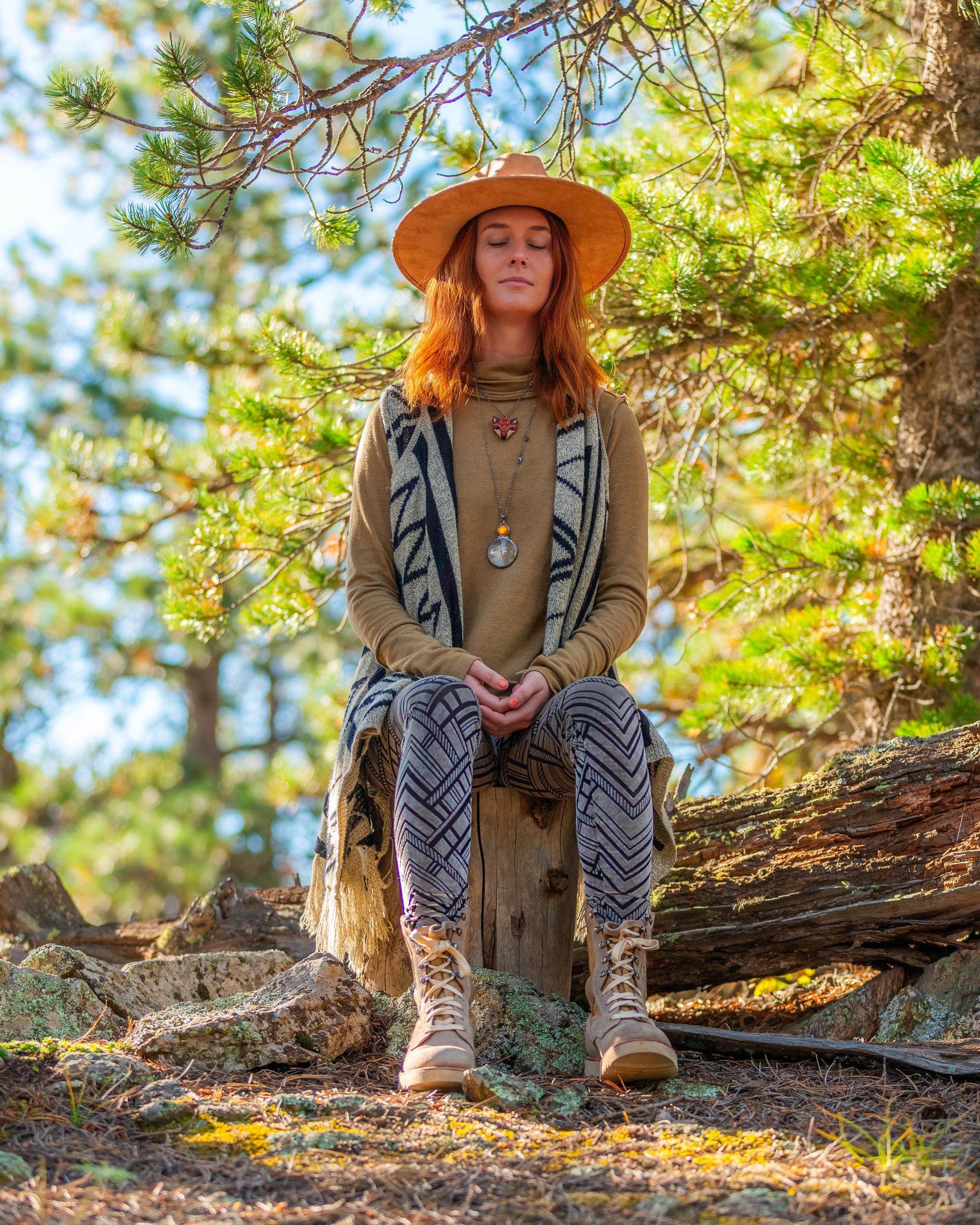
A person with reddish hair wearing a hat and patterned clothes sits on a wooden bench outdoors in a sunlit area.

Benefits of EMDR Therapy 

Relational therapy offers a wide range of emotional, interpersonal, and personal growth benefits. By increasing self-awareness and improving the way individuals relate to themselves and others, this therapeutic approach supports lasting emotional well-being and meaningful change. 

Improved Self-Awareness 

Relational therapy helps individuals become more aware of their thoughts, emotions, behaviors, and relationship patterns. This deeper understanding allows clients to identify recurring challenges and make more intentional choices in their daily lives. 

Healthier Relationships 

By exploring communication styles, emotional needs, and interpersonal dynamics, clients can develop stronger and more authentic connections. Therapy encourages healthier boundaries, increased trust, and more effective communication with others. 

Greater Emotional Resilience 

As clients gain insight into their emotional responses, they develop practical tools for navigating stress, setbacks, and life transitions. This increased resilience helps individuals respond to challenges with greater confidence and adaptability. 

Enhanced Self-Esteem 

Through self-exploration and self-acceptance, individuals often begin to challenge negative beliefs about themselves. This process can foster greater confidence, self-worth, and a more positive relationship with oneself. 

Better Emotional Regulation 

Relational therapy teaches clients how to recognize, understand, and manage their emotions more effectively. This can lead to healthier responses during difficult situations and improved emotional balance over time. 

Increased Authenticity 

As individuals become more connected to their values, needs, and personal experiences, they often feel more comfortable expressing their true selves. This authenticity can create a stronger sense of fulfillment and purpose in both personal and professional relationships. 

A person with reddish hair wearing a hat and patterned clothes sits on a wooden bench outdoors in a sunlit area.

The foundation of attachment focused therapy is built on the belief that healing occurs through connection. Our earliest relationships often shape how we view ourselves, interact with others, and respond to emotional challenges. 


Over time, people may develop patterns that once served a protective purpose but no longer support their emotional health or relationships. These patterns can influence: 


How we communicate with others 


  • How we respond to conflict 
  • Our ability to trust and feel safe in relationships 
  • Emotional regulation and self-expression 
  • Self-esteem and self-worth 
  • The ways we seek connection and support 


Through therapy, clients gain awareness of these patterns and explore new ways of relating that foster greater authenticity, security, and emotional resilience. 

Understanding the Foundations of Relational Therapy 

Relational therapy in Boulder can support individuals across all stages of life. It is particularly beneficial for those who want to improve their relationships, gain deeper self-understanding, and create lasting emotional change. 


This approach may be helpful for individuals experiencing: 


  • Relationship difficulties 
  • Communication challenges 
  • Anxiety and stress 
  • Attachment-related concerns 
  • Low self-esteem 
  • Feelings of loneliness or disconnection 
  • Life transitions 
  • Family conflicts 
  • Emotional overwhelm 
  • Personal growth and self-discovery goals 


Because therapy is personalized, sessions can be adapted to address each individual's unique experiences and objectives. 

Who Can Benefit from Relational Therapy in Boulder? 

A person with reddish hair wearing a hat and patterned clothes sits on a wooden bench outdoors in a sunlit area.

Sessions are collaborative and tailored to your specific needs and goals. Rather than following a rigid structure, therapy evolves based on what feels most important and relevant in the present moment. 


During sessions, you may: 


  • Explore current relationship dynamics 
  • Discuss emotional experiences and challenges 
  • Identify recurring patterns and behaviors 
  • Participate in experiential exercises 
  • Increase awareness of thoughts, emotions, and physical sensations 
  • Practice new ways of relating and communicating 
  • Develop skills that support emotional health and personal growth 


The therapeutic relationship itself serves as an important part of the healing process, offering a safe and supportive space to explore connection, trust, and authenticity. 

What to Expect During a Relational Therapy Session 

Begin Your Journey Toward Stronger Relationships 

Meaningful change often begins with greater self-awareness. Through relational therapy in Boulder, individuals can gain deeper insight into themselves, strengthen their relationships, and create a more fulfilling and connected life. 


By exploring your experiences with curiosity, compassion, and openness, relational therapy can help you develop the tools needed to navigate life's challenges while building healthier, more authentic relationships with yourself and others. 

The Therapeutic Use of Nature in Boulder & Golden

  • What are the Origins of Relational Gestalt Therapy?

    The length of treatment varies depending on the individual's goals, history, and specific concerns. Some people notice improvements relatively quickly, while others benefit from longer-term support. 

  • What are the Core Principles of Relational Gestalt Therapy?

    Gestalt therapy is grounded in the principles of awareness, presence, receptivity, and holistic understanding. It encourages clients to become more attuned to their internal experiences,  thoughts, emotions, and bodily sensations while emphasizing the importance of staying present in the moment. By fostering this awareness, clients can recognize how past experiences and external influences shape their current state.  


    Gestalt therapy also promotes openness and nonjudgmental acceptance, helping individuals engage fully with their experiences. Viewing each person holistically, it considers patterns across relationships and interactions, understanding individuals as the sum of their experiences rather than isolated parts. 

  • What is the Empty Chair Technique?

    No. EMDR does not require clients to share every detail of a traumatic memory. The focus is on processing the experience in a way that feels safe and manageable. 

  • What is the Purpose of Experiential Exercises?

    These exercises are designed to increase awareness and connect physical sensations with emotions. They help foster a deeper understanding of oneself and improve the ability to stay connected with the present moment. This method enhances self-awareness by encouraging clients to experience and respond to real-time emotional and sensory feedback. 

  • How Can Relational Gestalt Therapy Help?

    Relational Gestalt Therapy emphasizes accepting 'what is' rather than striving for 'what should be.' This approach helps clients move beyond shame and the pressures of externally imposed expectations. By embracing their current realities, clients develop a stronger connection to themselves and others, leading to enhanced vitality and overall health. 

  • How Can You Get Started with Relational Therapy?

    Begin your journey toward healing by scheduling a consultation with me. During this initial meeting, we'll discuss how Relational Gestalt Therapy can be customized to meet your specific needs. Our sessions will focus on a collaborative exploration of your feelings and behaviors, with the goal of achieving meaningful and lasting change. 

VIDEO

Nature-Based Therapy

Lexie Glisson explores how nature-based therapy helps clients heal by reconnecting with the natural world, calming the nervous system, and returning to their authentic selves.

Explore Your Social Role:

Take Our Online Quiz

Discover Your Role in the Herd

Discover your unique role in group dynamics with our quick "What Herd Member Are You?" quiz. Are you the Leader, the Nurturer, or another vital member? Uncover your social strengths and learn how to use them in daily interactions. It's free, fun, enlightening, and takes just a few minutes.

Additional Modalities Offered

This therapy integrates interactions with animals to enhance emotional and physical healing in therapeutic settings.
A person in a hat and patterned vest stands with a white horse in an autumn forest with bright yellow aspen trees.

Equin-Assisted Therapy

This therapy uses guided interactions with horses to support emotional growth and healing, providing a therapeutic space to address personal challenges.

Two fingers held vertically in the foreground, slightly out of focus, with a person's eye visible in the blurred background.

EMDR

Eye Movement Desensitization & Reprocessing (EMDR) is a therapy aimed at helping individuals recover from trauma and distressing life events.

Animal-Assisted Therapy

This therapy integrates interactions with animals to enhance emotional and physical healing in therapeutic settings.

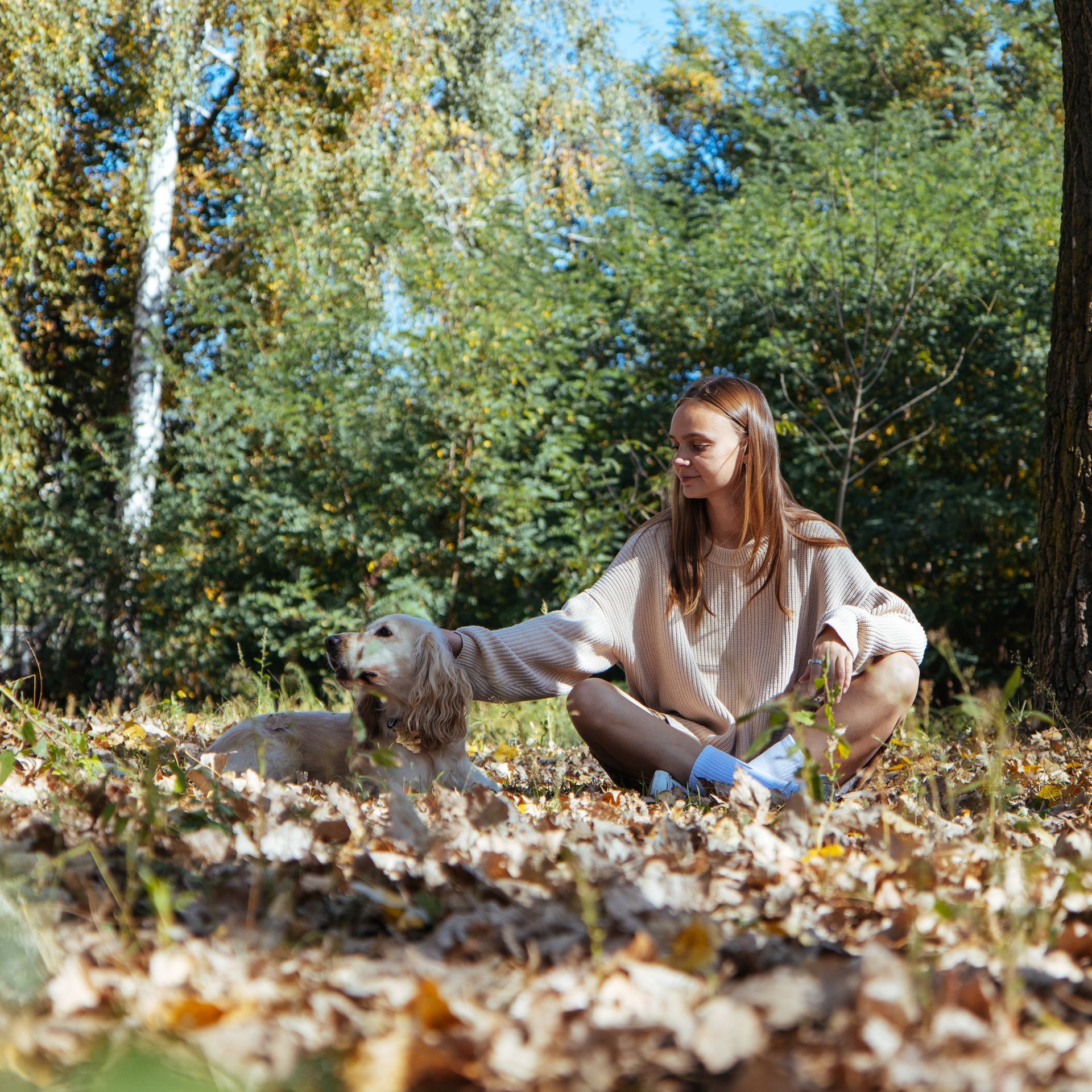
A person sitting in a forest covered in autumn leaves, gently petting a golden spaniel dog.

This therapy integrates interactions with animals to enhance emotional and physical healing in therapeutic settings.

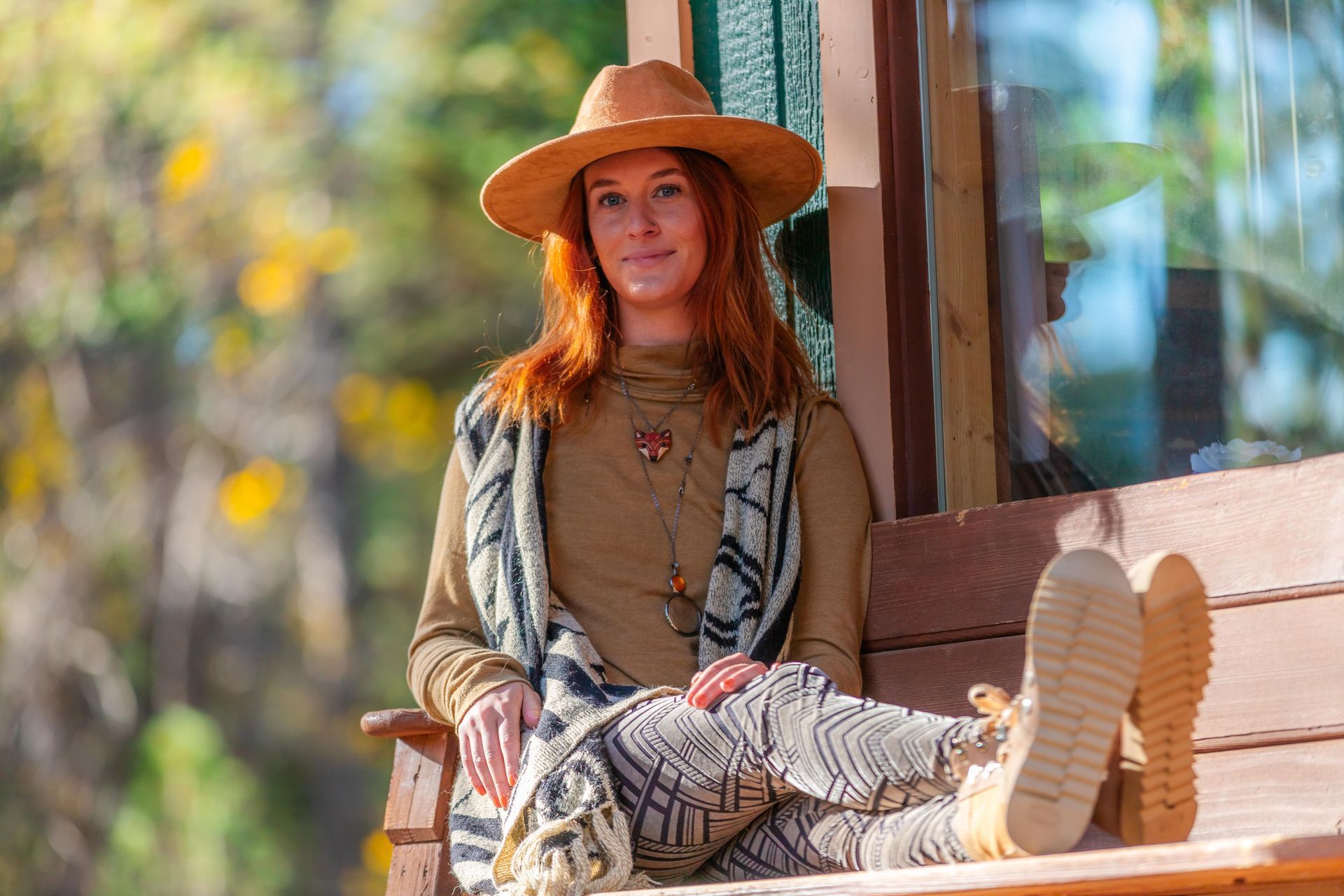
A person with red hair wearing a tan hat and sweater sits on a wooden bench outdoors, legs propped up, looking at camera.

Relational Therapy

Enhances interpersonal relationships by exploring and addressing patterns in how individuals interact with others.

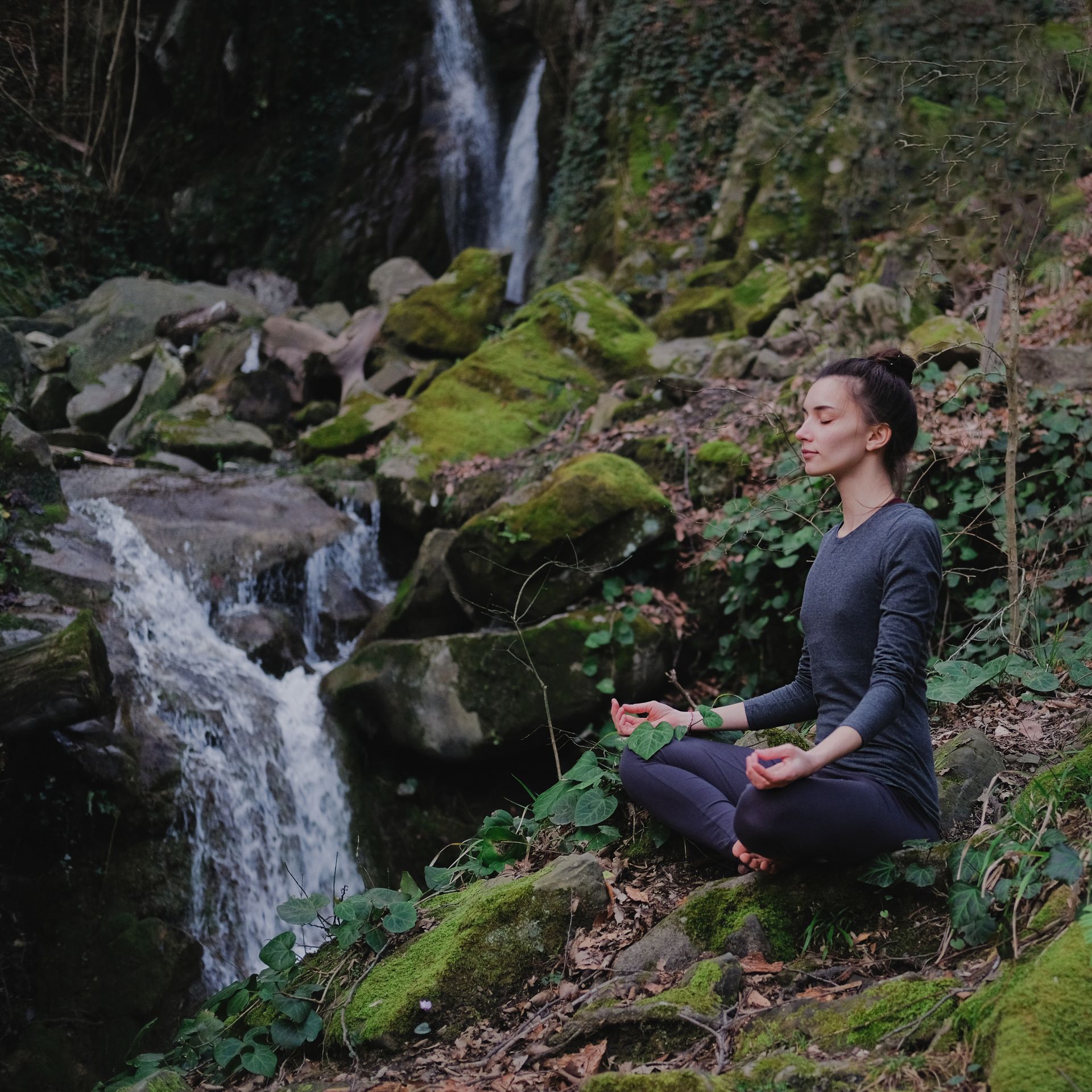
A person sits in a meditative pose on a mossy rock beside a cascading forest waterfall.

Mind-Body Therapy

Combines tailored yoga practices and mindfulness to improve physical and mental health.

Other Modalities

Additional therapeutic techniques that support diverse healing and personal growth needs.

A child wearing a sparkling dress and tiara holds a teddy bear wearing a pink tutu aloft in a sunlit grassy field.

About me

I help individuals in the Denver and Boulder areas rediscover their authentic selves through mindfulness, movement, and interactions with animals and nature. I offer Equus coaching and both individual and group therapy sessions, available online or in-person at various Front Range locations in Colorado. Whether you choose virtual sessions or in-person experiences, I am here to guide your journey toward personal empowerment and healing.

A sunlit forest of tall, white-barked aspen trees with vibrant yellow autumn leaves and a path covered in fallen foliage.
A person wearing a wide-brimmed hat, patterned vest, and leggings sits with eyes closed on a log in a sunlit forest.

Related Nature-Based Therapy Content

Nature Based Therapy in Boulder
By Lexie Glisson July 17, 2025
Discover why traditional talk therapy wasn’t enough and how nature-based therapy, including equine-assisted healing, offers a deeper, more embodied path to emotional well-being.

By Lexie Glisson February 20, 2025
How Does Nature Help Regulate the Nervous System? Spending time in nature has been shown to regulate the autonomic nervous system, shifting the body from a state of stress (sympathetic activation) to relaxation (parasympathetic activation). Research suggests that exposure to natural environments lowers cortisol levels, reduces heart rate, and promotes a sense of calm, making it a powerful tool for managing anxiety and trauma. A study published in the journal Environmental Health and Preventive Medicine found that individuals who spent 15 minutes walking in a forest had a 16% decrease in cortisol levels compared to those in urban settings. Additionally, their blood pressure dropped by an average of 1.9%, and heart rate decreased by 3.9%, demonstrating nature's measurable impact on the body's stress response. Can Nature Reduce Stress and Anxiety? (Science-Backed Benefits) Nature exposure triggers physiological responses that counteract stress. Studies show that spending at least 20 minutes outside can lower cortisol levels and improve mood. Activities such as walking in a forest, listening to running water, or simply sitting in a green space can decrease overactivity in the amygdala, the brain’s fear center, leading to reduced anxiety and stress-related symptoms . How Does Sunlight and Fresh Air Improve Mental Health? Sunlight exposure increases serotonin levels, which can enhance mood and combat depression. Fresh air and outdoor movement also boost oxygen intake, supporting brain function and mental clarity. These natural elements work together to improve sleep quality, energy levels, and overall emotional balance. Does Being in Nature Improve Focus and Cognitive Function? Being in nature has been linked to improved cognitive function, attention, and creativity. Research on Attention Restoration Theory (ART) suggests that natural environments allow the brain to recover from mental fatigue, enhancing focus and problem-solving skills. This is especially beneficial for individuals with ADHD or those experiencing burnout. How Does Spending Time Outdoors Strengthen Emotional Resilience? Spending time outdoors fosters social interactions, reduces feelings of loneliness, and strengthens emotional resilience. Group activities in nature, such as hiking or gardening, provide a sense of community and belonging, which are essential for mental health. Additionally, observing nature’s cycles can offer perspective and emotional grounding, helping individuals navigate personal challenges with greater ease. What Are Easy Ways to Spend More Time in Nature for Mental Well-Being? Take a 20-minute walk in a park or green space. Practice mindfulness by noticing the sights, sounds, and textures in nature. Engage in outdoor activities like gardening, hiking, or kayaking. Open windows for fresh air and natural light during the day. Spend time barefoot on grass or soil to enhance grounding and relaxation. Why Is Nature-Based Therapy a Powerful Tool for Mental Health? The science behind nature’s healing effects is clear time outdoors supports nervous system regulation, reduces stress, and enhances overall well-being. Whether through mindful walks, outdoor adventures, or simply pausing to observe nature’s beauty, integrating
By Lexie Glisson February 20, 2025
What Is Nature-Based Therapy and How Can It Help? Nature-based therapy , also known as ecotherapy or outdoor therapy, is a therapeutic approach that incorporates nature and outdoor experiences into the healing process. It leverages the natural world to promote emotional, psychological, and physical well-being. Unlike traditional talk therapy, which typically takes place indoors, nature-based therapy happens in natural settings like forests, meadows, or near bodies of water. How Does Nature-Based Therapy Work? (Techniques & Approaches) Nature-based therapy can take many forms, depending on the therapist’s approach and the client’s needs. Common techniques include: Mindful Nature Walks – Guided walks that incorporate mindfulness practices to reduce stress and increase awareness. Orientation to the Natural World – Engaging the senses to attune to the surrounding environment, helping with nervous system regulation and grounding techniques. Building Nature Sculptures & Concentric Circles – Creating patterns in nature to explore themes of balance, resilience, and polyvagal theory, helping individuals understand their fight/flight/freeze responses when under stress just like other mammals. Grounding Exercises – Engaging in sensory experiences like touching the earth, feeling tree bark, or listening to nature sounds to calm the nervous system. Adventure Therapy – Activities like hiking, kayaking, or rock climbing that build resilience and self-efficacy. Letting Nature Interrupt the Mind – Observing animals, the wind, or shifting light patterns to break mental loops and invite therapeutic insights. Curiosity in Nature – Encouraging exploration of small details in nature to foster a sense of wonder, adaptability, and mindfulness. Contemplating how one fits in the natural world and is reflective of nature. What Are the Mental Health Benefits of Nature-Based Therapy? Nature-based therapy is effective in supporting mental health in several ways: Reduces Anxiety and Depression – Studies show that time in nature lowers stress hormones and boosts mood-regulating neurotransmitters like serotonin. Enhances Trauma Healing – Being in nature helps regulate the nervous system and supports somatic-based trauma recovery. Improves Emotional Regulation – Engaging with nature fosters mindfulness, helping individuals manage overwhelming emotions. Encourages Mind-Body Connection – Physical movement in outdoor settings helps people reconnect with their bodies, reducing dissociation and increasing self-awareness. Boosts Creativity and Problem-Solving – Time in nature enhances cognitive flexibility, making it easier to process emotions and find solutions to challenges. How Is Nature-Based Therapy Different from Traditional Talk Therapy? While traditional talk therapy takes place in an office setting, nature-based therapy removes the walls, integrating movement, sensory experiences, and environmental connection into the healing process. Key differences include: More Embodied Approach – Clients engage their whole body in therapy rather than sitting and talking. Less Pressure to Maintain Eye Contact – Some people find it easier to open up while walking or interacting with nature instead of sitting face-to-face. Natural Regulation of Nervous System – Exposure to nature naturally shifts the body into a calmer, more regulated state, making deep emotional work more accessible. Who Can Benefit from Nature-Based Therapy? Nature-based therapy is beneficial for people of all ages dealing with: Trauma and PTSD Anxiety and stress-related disorders Depression and mood disorders ADHD and difficulty focusing Grief and life transitions Burnout and chronic fatigue Relationship issues How to Get Started with Nature-Based Therapy? If you're interested in nature-based therapy, here’s how to begin: Find a Qualified Therapist – Reach out to me through my email . Explore Different Approaches – Decide if you’d like structured activities (e.g., building nature sculptures) or a more open-ended nature experience. Incorporate Nature into Daily Life – Even small changes, like daily walks in a park, can help boost mental well-being. Why Nature-Based Therapy Works? Nature has an incredible ability to heal, regulate, and restore balance. Whether you’re struggling with anxiety, trauma, or life transitions, connecting with the natural world can provide the grounding and clarity you need. If you’re ready to explore the healing power of nature-based therapy or have any more questions, please reach out!
Show More