


Explore wellness therapy, therapeutic services, wellness services, and mindfulness therapy in Boulder at Lexie Glisson Therapy & Wellness.

Explore how nature therapy can support mindfulness, emotional awareness, self-reflection, and personal growth through nature-based therapy.
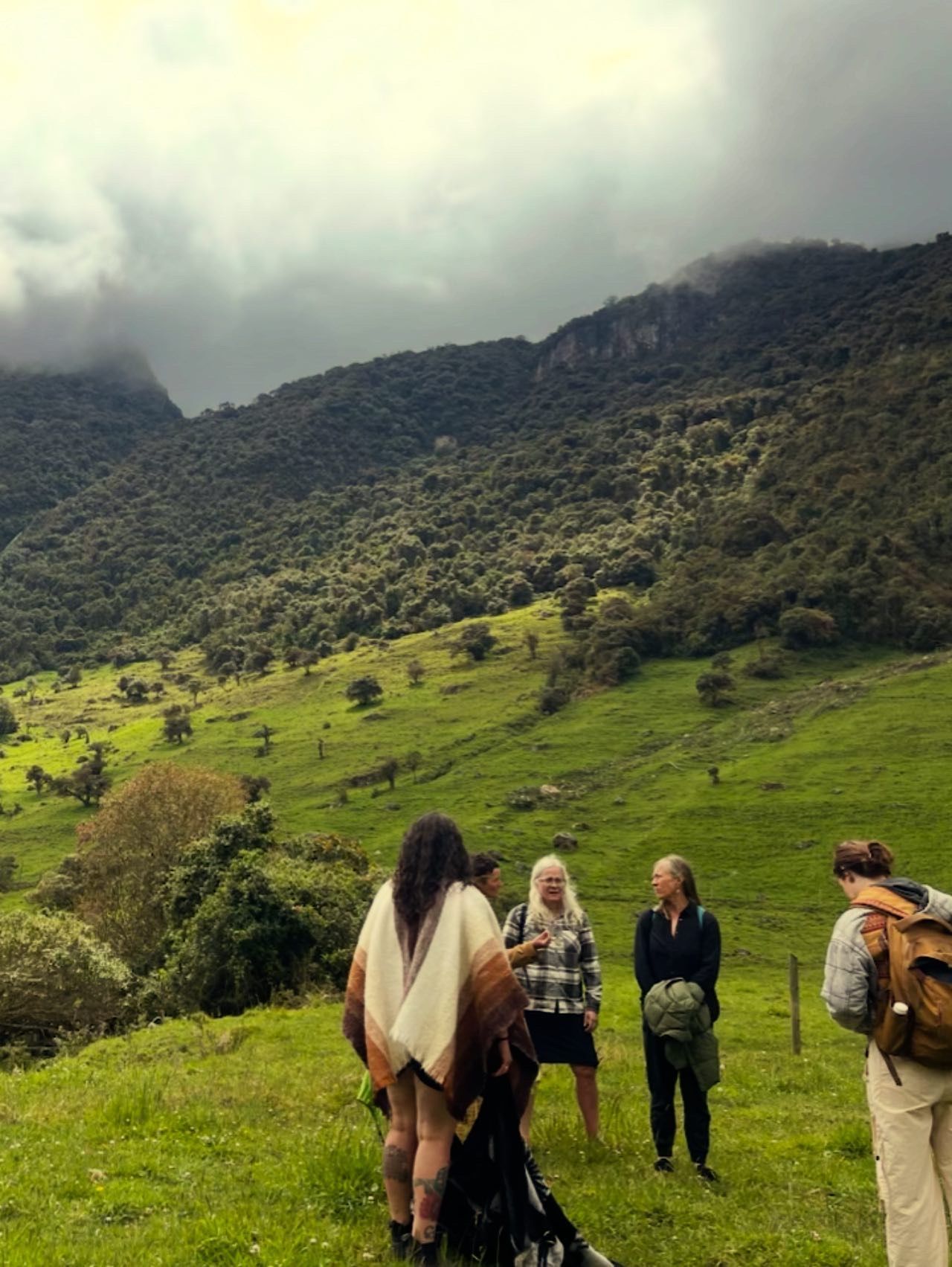
Explore nature therapy in Boulder and how outdoor therapeutic settings can support mindfulness, self-awareness, and personal growth.

Finding the right support for emotional challenges often involves understanding the connection between the mind and the body. Mind body therapy in Boulder focuses on exploring how thoughts, emotions, physical sensations, and personal experiences can influence overall well-being. Traumatic or stressful experiences can affect the way people respond to situations, manage emotions, and experience stress. These responses are connected to the nervous system, which plays an important role in how the body reacts to perceived challenges and feelings of safety. Mind-body approaches in therapy recognize that healing is not only about discussing experiences but also about understanding how those experiences may be felt physically and emotionally. By developing greater awareness of thoughts, feelings, and body responses, individuals can explore their experiences in a supportive therapeutic environment. Lexie Glisson Therapy and Wellness offers a trauma-informed approach that considers each person’s unique experiences and goals. Through approaches such as EMDR, mind-body therapy, nature-based therapy, and other therapeutic methods, clients can explore support that aligns with their individual needs. Understanding the Connection Between Trauma and the Nervous System How Trauma Can Affect the Body’s Stress Response The nervous system helps the body respond to everyday experiences, including moments of stress or uncertainty. When a person encounters a difficult or overwhelming event, the nervous system may activate responses designed to help them manage the situation. These responses are often described as: Fight response: A reaction where the body prepares to confront a perceived threat. Flight response: A reaction where the body prepares to escape or avoid danger. Freeze response: A reaction where a person may feel disconnected, stuck, or unable to respond. After stressful experiences, some individuals may notice ongoing patterns connected to their stress responses. These patterns can appear through emotions, thoughts, behaviors, or physical sensations. Trauma affects each person differently. Some individuals may experience changes in how they handle stress, while others may notice changes in relationships, emotional responses, or feelings of safety. A trauma-informed therapist can help individuals explore these experiences and understand how past events may influence present-day responses. Why Trauma Recovery Often Includes Mind and Body Awareness Traditional conversations about mental health often focus on thoughts and emotions. However, many therapeutic approaches also recognize the importance of paying attention to body experiences. For some individuals, stress may appear through physical sensations such as tension, restlessness, or changes in energy levels. Developing awareness of these responses can help people better understand their emotional experiences. Mind-body approaches encourage individuals to notice connections between: Thoughts and emotional reactions Physical sensations and stress responses Past experiences and current patterns This awareness does not mean every physical response is connected to trauma. Instead, it provides an opportunity to explore personal experiences with the guidance of a qualified therapist. What Is Mind-Body Therapy? Exploring the Relationship Between Thoughts, Emotions, and Physical Responses Mind body therapy in Boulder focuses on the relationship between mental, emotional, and physical experiences. This approach considers how different aspects of a person’s experience may influence one another. For example, a stressful situation may create emotional reactions while also producing physical responses. A person may notice changes in breathing, muscle tension, energy levels, or overall feelings in their body. Mind-body therapy creates space to explore these connections in a supportive setting. Instead of focusing only on what happened, therapy may also explore how experiences continue to affect a person in the present. This approach can involve developing awareness, understanding emotional patterns, and exploring ways to respond to experiences with greater self-understanding. How Mind-Body Therapy Differs From Traditional Talk Therapy Traditional talk therapy often involves discussing thoughts, emotions, experiences, and personal challenges. Mind-body approaches may include these conversations while also bringing attention to physical awareness and nervous system responses. The focus is not to replace other therapeutic methods but to provide another way of understanding personal experiences. Depending on a person’s needs, a therapist may incorporate different approaches, including mindfulness practices, trauma-focused techniques, and body awareness exercises. Every person’s therapy process is different. A qualified therapist can help determine which approaches may best support an individual’s goals. The Role of Mindfulness-Based Therapy in Trauma Support Understanding Mindfulness Therapy for Anxiety Many individuals explore mindfulness therapy for anxiety because mindfulness practices can help develop greater awareness of thoughts, emotions, and present-moment experiences. Within a therapeutic setting, mindfulness may be used as one part of a broader approach to understanding emotional patterns and stress responses. Anxiety can involve many different experiences, including ongoing worry, difficulty feeling calm, or heightened reactions to certain situations. Mindfulness-based approaches may help individuals notice these experiences without immediately reacting to them. Mindfulness does not mean avoiding difficult emotions or ignoring challenges. Instead, it focuses on developing awareness and creating space to better understand thoughts, feelings, and physical responses. A therapist may incorporate mindfulness techniques based on an individual’s needs and goals. The use of mindfulness within therapy depends on each person’s situation and the approach that feels most supportive. How Mindfulness Can Be Part of a Personalized Therapy Approach Mindfulness based therapy is often integrated into therapy in a way that fits the individual. Some people may benefit from practices that support emotional awareness, while others may focus on understanding patterns connected to stress, relationships, or past experiences. A personalized therapy approach may include: Exploring emotional experiences Increasing awareness of thoughts and reactions Understanding connections between emotions and physical sensations Developing healthy ways to respond to challenges When working with a therapist in Boulder, individuals can discuss their goals and learn more about which approaches may align with their needs. Lexie Glisson Therapy and Wellness Approach to Mind-Body Care Lexie Glisson Therapy and Wellness takes a trauma-informed approach that recognizes each person’s experiences, challenges, and goals are unique. Therapy is designed around understanding the individual rather than following a single approach for everyone. The practice incorporates different therapeutic methods, including EMDR, mind-body approaches, nature-based therapy, and equine-assisted therapy. These approaches reflect an understanding that emotional experiences can involve thoughts, feelings, relationships, and physical responses. For individuals exploring mind body therapy in Boulder, understanding a therapist’s overall approach can help determine whether their style and services align with personal preferences. A trauma-informed approach may focus on: Creating a supportive and respectful therapy environment Understanding how experiences influence emotional responses Exploring individual strengths and coping patterns Supporting personal awareness and growth Therapy is a collaborative process. The relationship between the therapist and client plays an important role in creating a space where individuals can discuss their experiences comfortably. Choosing the Right Therapist in Boulder, CO Finding the right therapist in Boulder involves considering more than location. It is important to find someone whose experience, approach, and communication style match your needs. Different therapists may use different methods depending on their training and areas of focus. Some may specialize in trauma-focused approaches, while others may incorporate mindfulness, body awareness, or other therapeutic techniques. Look for a Therapist Who Understands Your Goals Before beginning therapy, consider what you hope to explore or work through. Your goals may include understanding emotional patterns, processing difficult experiences, managing stress, or developing greater self-awareness. A therapist can help you identify which approaches may support those goals. Questions you may consider include: Does the therapist have experience with concerns similar to mine? How do they describe their therapeutic approach? Do I feel comfortable communicating with them? Do they create a supportive environment? Consider Their Therapeutic Approach The therapeutic approach matters because different methods may work better for different individuals. Some people may prefer approaches that focus on conversations, while others may connect with methods that include mindfulness, body awareness, or trauma-focused techniques. When researching a therapist Boulder in CO, reviewing their services and approach can help you make a more informed choice. A good therapeutic relationship is based on trust, communication, and feeling understood throughout the process. Questions to Ask Before Starting Mind-Body Therapy What Approaches Do You Use? Before starting therapy, ask about the approaches a therapist uses and how they may apply to your specific concerns. Understanding the methods used during sessions can help you feel more prepared and comfortable with the process. How Do You Include the Body in Therapy? Since mind-body therapy focuses on the connection between emotional and physical experiences, you may want to ask how body awareness is included in sessions. A therapist can explain how they incorporate these approaches and how they may relate to your personal goals. What Can I Expect From Sessions? Every therapy experience is different. Sessions may involve discussing current concerns, exploring past experiences, building awareness, and identifying strategies that support emotional well-being. A therapist can explain what the process may look like and answer questions before beginning treatment. Conclusion: Exploring Mind-Body Therapy in Boulder for Trauma Support Understanding the connection between trauma, emotions, and the nervous system can help individuals make informed decisions about their mental health support. Mind body therapy in Boulder offers an approach that considers the relationship between thoughts, feelings, and physical experiences. Trauma-informed therapy recognizes that each person’s experiences are different. Approaches such as mindfulness-based therapy, EMDR, and other therapeutic methods may be used depending on individual needs and goals. Lexie Glisson Therapy and Wellness provides a supportive environment where individuals can explore their experiences through personalized therapy approaches. If you would like to learn more about available therapy options and discuss your needs, contact us today Frequently Asked Questions 1.What is mind-body therapy? Mind-body therapy is an approach that explores the connection between thoughts, emotions, physical sensations, and personal experiences. It considers how different aspects of a person’s experience may influence overall well-being. 2.How does trauma affect the nervous system? Trauma can influence how the nervous system responds to stress and perceived threats. Some individuals may notice changes in emotional responses, stress reactions, or physical sensations after difficult experiences. 3.Is mindfulness therapy helpful for anxiety? Some individuals explore mindfulness therapy for anxiety as part of their overall therapeutic support. Mindfulness practices may help increase awareness of thoughts, emotions, and present-moment experiences 4.What is mindfulness-based therapy? Mindfulness-based therapy incorporates mindfulness practices into a therapeutic setting. It may focus on awareness, emotional understanding, and developing healthier ways to respond to experiences. 5.How can I find a therapist in Boulder? When searching for a therapist in Boulder, consider their experience, therapeutic approach, areas of focus, and whether you feel comfortable with their communication style and support approach.

Finding the right EMDR therapist in Boulder can be an important step for individuals looking for support with trauma, anxiety, and difficult life experiences. Choosing a therapist involves more than finding someone who offers EMDR. It also includes understanding their approach, experience, and whether their style feels like a good fit for your personal needs. Eye Movement Desensitization and Reprocessing (EMDR) is a structured therapy approach that helps individuals process distressing memories and experiences. Many people explore EMDR as part of trauma-focused therapy because it focuses on how past experiences may continue to affect emotions, thoughts, and responses in daily life. At Lexie Glisson Therapy and Wellness, therapy is approached through a trauma-informed perspective that considers each person’s unique experiences and goals. Understanding what to look for in an EMDR therapist can help you make a more informed decision when exploring therapy options in Boulder, Colorado. Understanding EMDR Therapy and How It Supports Trauma Recovery What Is EMDR Therapy? EMDR, or Eye Movement Desensitization and Reprocessing, is a psychotherapy approach developed to help people process distressing memories and experiences. Unlike traditional talk therapy approaches that may focus mainly on discussing events, EMDR uses structured techniques to help individuals explore how memories are stored and how they affect emotions, beliefs, and physical responses. During EMDR sessions, a therapist guides clients through different phases of treatment. These phases may include discussing current concerns, identifying difficult memories, exploring emotional responses, and using specific processing techniques. The goal of EMDR is not to erase memories or remove difficult experiences from a person’s history. Instead, the therapy process focuses on helping individuals develop a different relationship with those memories and understand how they impact their present experiences. When searching for EMDR therapists in Boulder CO, it is helpful to look for a professional who explains the process clearly and creates a supportive environment where clients feel comfortable moving at their own pace. How EMDR May Help Process Difficult Experiences Traumatic or stressful experiences can sometimes continue to influence how people feel, think, or respond long after the event has occurred. Some individuals may experience emotional distress, anxiety, fear responses, or patterns connected to past experiences. EMDR therapy focuses on helping individuals explore these experiences in a safe and structured setting. A trained therapist works with clients to identify memories or situations that may be contributing to current challenges. The therapy process is different for everyone. Some people may focus on past traumatic events, while others may work through specific fears, stressful experiences, or emotional patterns. A qualified therapist can help determine whether EMDR is an appropriate approach based on individual circumstances. Why Choosing the Right EMDR Therapist in Boulder Matters Look for Trauma-Focused Experience When selecting an EMDR therapist in Boulder, it is important to consider their experience working with trauma and related concerns. Trauma therapy requires an understanding of how difficult experiences can affect emotions, relationships, and daily functioning. A therapist with trauma-focused experience can help create a supportive space where clients can explore challenging topics at a comfortable pace. The therapeutic relationship is an important part of the process because feeling understood and supported can influence how individuals engage with therapy. Before starting treatment, consider asking about the therapist’s experience with EMDR, their approach to trauma therapy, and how they support clients throughout the process. Consider the Therapist’s Approach to Healing Every therapist may approach EMDR differently depending on their training, experience, and overall therapeutic style. Some professionals incorporate additional approaches that consider emotional, physical, and relational experiences. Lexie Glisson Therapy and Wellness takes a holistic, trauma-informed approach that recognizes the connection between experiences, emotions, and the body. This approach allows therapy to be personalized based on each individual’s needs and goals. When exploring EMDR therapy in Boulder, finding a therapist whose approach aligns with your needs can help you feel more comfortable throughout your therapy experience. Exploring EMDR Therapy in Boulder for Trauma and Anxiety EMDR for Anxiety and Stress Responses Many individuals explore EMDR for anxiety because difficult experiences, ongoing stress, or past events can influence how the mind and body respond to certain situations. Anxiety can involve many different factors, including thoughts, emotions, memories, and physical reactions. EMDR therapy may be used as part of a broader therapeutic approach to help individuals process experiences that may be connected to anxiety responses. A trained therapist can help explore whether EMDR is an appropriate option based on a person’s history, concerns, and therapy goals. It is important to understand that every person’s experience with therapy is different. EMDR is not a one-size-fits-all approach, and treatment plans are developed based on individual needs. At Lexie Glisson Therapy and Wellness, therapy focuses on understanding each person’s unique experiences and creating a supportive environment for exploring emotional challenges. The goal is to provide a space where individuals can better understand themselves and work through concerns with professional guidance. Understanding Whether EMDR Fits Your Needs Before beginning EMDR therapy, it can be helpful to have a conversation with a therapist about your concerns, expectations, and goals. During an initial consultation, you may discuss your experiences, what brings you to therapy, and whether EMDR aligns with your needs. A therapist can help explain: How EMDR sessions are structured What the therapy process may involve How your personal goals can guide treatment Whether other therapeutic approaches may also be helpful When searching for emdr therapy in boulder, consider choosing a therapist who takes time to understand your situation rather than applying the same approach to every client. Lexie Glisson Therapy and Wellness: A Trauma-Informed Approach Lexie Glisson Therapy and Wellness provides therapy services focused on supporting individuals through trauma recovery, emotional challenges, and personal growth. The practice uses a trauma-informed approach that recognizes the importance of safety, understanding, and individualized care. The therapy approach includes EMDR as well as other therapeutic methods designed to support clients based on their specific needs and experiences. You can learn more about the practice and its approach through Lexie Glisson Therapy and Wellness In addition to EMDR therapy, the practice incorporates approaches that may include: Trauma-focused therapy Mind-body approaches Nature-based therapy Equine-assisted therapy These approaches recognize that healing can involve more than simply discussing difficult experiences. Therapy may also explore how emotions, physical sensations, relationships, and personal experiences are connected. For individuals looking for an EMDR therapist in Boulder, understanding the therapist’s overall approach can help determine whether their services align with personal preferences and goals. Questions to Ask Before Starting EMDR Therapy Choosing a therapist is an important decision. Asking questions before beginning therapy can help you feel more informed and comfortable with your choice. What Experience Do You Have With EMDR? Understanding a therapist’s training and experience with EMDR can help you learn more about their approach. You may want to ask how they incorporate EMDR into their sessions and what types of concerns they commonly support. How Does Your Therapy Process Work? Every therapist may structure sessions differently. Asking about the process can help you understand what to expect and how therapy may progress over time. Some topics you may discuss include: The structure of EMDR sessions How treatment goals are identified How progress is discussed What support is available throughout therapy What Can I Expect During EMDR Sessions? Many people feel uncertain before starting a new type of therapy. A therapist can explain what sessions may involve and answer questions about the techniques used during EMDR. Having a clear understanding of the process can help reduce uncertainty and allow you to approach therapy with more confidence. Finding the Right Therapist in Boulder, CO for Your Needs Finding a therapist in Boulder CO involves considering several factors, including the therapist’s experience, approach, communication style, and whether you feel comfortable working with them. A strong therapeutic relationship is an important part of the therapy experience. Feeling respected, listened to, and understood can help create a foundation for meaningful work. When researching emdr therapists in boulder co, consider reviewing their therapy approach, areas of focus, and the types of support they provide. Taking time to find a therapist who matches your needs can help you feel more prepared as you begin your therapy journey. Conclusion: Choosing an EMDR Therapist in Boulder for Trauma Recovery Choosing the right EMDR therapist in Boulder starts with understanding what EMDR therapy involves and identifying the qualities that matter most in a therapist. Experience with trauma-focused care, a supportive therapeutic relationship, and an approach that fits your personal needs are all important factors to consider. EMDR therapy may be one option for individuals exploring support for trauma, anxiety, and difficult life experiences. Working with a qualified therapist can help you better understand your experiences and explore strategies that support emotional well-being. If you are interested in learning more about EMDR therapy and whether it may be a suitable approach for your needs, contact us today to connect with Lexie Glisson Therapy and Wellness: Frequently Asked Questions 1.What is EMDR therapy? EMDR (Eye Movement Desensitization and Reprocessing) is a structured psychotherapy approach that helps individuals process distressing memories and experiences. It involves guided techniques that support the processing of difficult experiences in a safe therapeutic setting. 2.How does EMDR therapy work for trauma? EMDR therapy helps individuals explore distressing memories and emotional responses connected to past experiences. A trained therapist guides the process while helping clients identify and work through experiences that may still affect them. 3.Is EMDR used for anxiety? Yes, some individuals explore EMDR for anxiety, especially when anxiety may be connected to stressful or distressing experiences. A therapist can help determine whether EMDR is an appropriate approach based on individual needs. 4.How do I find an EMDR therapist in Boulder? When looking for an EMDR therapist in Boulder, consider factors such as the therapist’s training, experience with trauma therapy, communication style, and whether their approach feels like a good fit for your goals. 5.What should I expect during an EMDR therapy session? EMDR sessions typically involve discussing your concerns, identifying therapy goals, and working through structured techniques guided by a trained therapist. The process varies depending on each individual’s needs and comfort level.

Learn how animal assisted therapy in Boulder supports emotional healing through equine-assisted experiences and personalized trauma-informed care.

Learn what to expect during your first EMDR therapy in Boulder session, from preparation to personalized trauma-informed care and treatment planning.
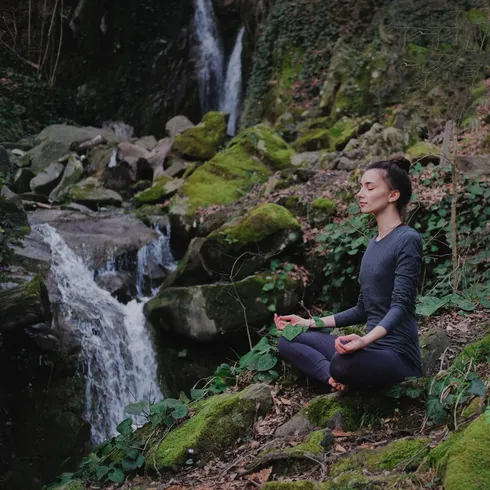
Nature therapy is gaining attention as more people seek meaningful ways to support their emotional well-being and personal growth. In a world where daily schedules are often busy and technology plays a major role in everyday life, spending intentional time in natural environments can offer a valuable opportunity to slow down and reconnect with oneself. Nature has long been associated with feelings of calm, reflection, and renewal. While every person's experience is unique, many individuals find that being outdoors helps them become more aware of their thoughts, emotions, and surroundings. When incorporated into a professional therapeutic setting, nature therapy can provide a different environment for self-exploration and emotional growth. At Lexie Glisson Therapy and Wellness, therapeutic services are designed to support individuals through compassionate and personalized care. Nature-informed approaches can complement traditional therapeutic methods and provide an alternative setting for emotional exploration. By integrating natural environments into the therapeutic process, individuals may discover new ways to engage with their emotions and personal experiences. Understanding Nature Therapy Nature therapy is an approach that incorporates natural settings into the therapeutic experience. Unlike traditional sessions that take place exclusively indoors, nature therapy may involve meeting in outdoor environments where individuals can engage with both nature and the therapeutic process. The goal of nature therapy is not simply to spend time outdoors. Instead, it is about intentionally using natural surroundings as part of a broader therapeutic journey. The environment can become an additional element that supports observation, reflection, and meaningful conversation. Natural spaces often encourage individuals to slow down and pay attention to the present moment. The sounds of birds, movement of trees, changing weather, and open landscapes can provide a unique backdrop that differs from the pace and distractions of everyday life. As a result, some individuals find that nature therapy creates a comfortable environment for discussing personal experiences and emotional challenges. The Relationship Between Nature and Emotional Well-Being Human beings have maintained a connection with nature throughout history. Although modern lifestyles have changed significantly, many people still feel drawn to natural spaces when seeking rest, perspective, or relaxation. Natural environments can offer a temporary break from constant notifications, crowded schedules, and everyday pressures. This shift in surroundings may help individuals focus more clearly on their internal experiences. The relationship between nature and emotional well-being is often linked to mindfulness and awareness. When people spend time in nature, they may become more attentive to their surroundings and less focused on distractions. This increased awareness can create opportunities for emotional insight and self-reflection. The following table highlights some ways natural environments may support emotional wellness. Nature Experience Potential Emotional Support Walking outdoors Encourages present-moment awareness Sitting in a quiet green space Supports reflection and relaxation Observing natural surroundings Promotes mindfulness Outdoor therapeutic sessions Creates a different setting for conversation Time away from daily distractions Encourages emotional clarity While experiences vary from person to person, many individuals appreciate the sense of openness and perspective that natural settings can provide. How Nature Therapy Supports Emotional Health Nature therapy can support emotional health in several ways. The combination of therapeutic guidance and natural surroundings creates opportunities for personal exploration and emotional awareness. Encourages Mindfulness Mindfulness is the practice of paying attention to the present moment without judgment. It is often an important part of emotional well-being because it helps individuals become more aware of their thoughts, feelings, and experiences. Natural environments can naturally encourage mindfulness. For example, individuals may notice the sounds around them, observe changes in the landscape, or focus on their breathing while walking outdoors. These simple observations can help bring attention back to the present moment. As a result, mindfulness becomes more accessible and integrated into the therapeutic process. Because mindfulness encourages awareness rather than avoidance, it can play an important role within both emotional therapy and wellness therapy approaches. Creates Space for Reflection Many people find it difficult to create time for reflection in their daily lives. Work responsibilities, family commitments, and digital distractions can make it challenging to pause and examine personal thoughts or emotions. Nature therapy provides a setting that may encourage deeper reflection. The slower pace of natural environments often allows individuals to step away from immediate demands and focus on their personal experiences. This reflective space can support conversations about relationships, life transitions, personal goals, and emotional challenges. It may also help individuals gain greater insight into patterns of thinking and behavior. Supports Emotional Awareness Emotional awareness is an important part of personal growth. Understanding emotions can help individuals make informed decisions, communicate effectively, and develop healthier coping strategies. Nature therapy encourages individuals to pay attention to their emotional experiences in a supportive environment. The outdoor setting may help some people feel more comfortable exploring emotions that are difficult to discuss in other contexts. Rather than rushing through feelings or avoiding them, individuals can take time to observe and understand their emotional responses. This process can contribute to greater self-awareness and emotional understanding. Promotes Connection Connection is an important aspect of emotional wellness. While connection often refers to relationships with others, it can also include connection with oneself and the surrounding environment. Nature therapy encourages individuals to engage with the world around them in a meaningful way. This experience may help foster a greater sense of awareness, appreciation, and presence. For some individuals, spending time in natural environments can provide a sense of perspective and balance that supports overall emotional well-being. Nature Therapy and Wellness Therapy Wellness therapy often focuses on supporting overall well-being by addressing multiple aspects of a person's life. Emotional health, self-awareness, stress management, and personal growth are frequently important components of a wellness-focused approach. Nature therapy can complement wellness therapy by providing an environment that encourages mindfulness, reflection, and personal insight. Rather than viewing emotional wellness as a single goal, wellness therapy often recognizes that well-being is an ongoing process. Nature therapy aligns with this perspective by creating opportunities for continued self-discovery and growth. Because wellness looks different for every individual, therapeutic approaches are often tailored to personal needs, preferences, and goals. Benefits of Incorporating Nature Into Therapy There are several reasons why individuals may be interested in incorporating nature into their therapeutic experience. Some potential benefits include: Opportunities for mindful awareness A change from traditional indoor environments Increased opportunities for reflection A setting that may feel less formal for some individuals Greater connection with surroundings Support for personal exploration and growth It is important to note that therapeutic outcomes vary from person to person. Nature therapy does not guarantee specific results. Instead, it provides an alternative setting where individuals can engage in the therapeutic process with professional support. The effectiveness of any therapeutic approach depends on many factors, including personal goals, the therapeutic relationship, and individual circumstances. Who May Benefit From Nature Therapy? Nature therapy may appeal to a variety of individuals who are interested in exploring emotional well-being in a natural setting. Individuals who may consider nature therapy include: Adults navigating life transitions Individuals seeking emotional support People interested in mindfulness practices Those looking for a different therapeutic environment Individuals who enjoy spending time outdoors People seeking a holistic approach to wellness Because every person's situation is unique, discussing therapeutic goals with a qualified therapist can help determine whether nature-informed approaches may be appropriate. A collaborative approach allows individuals to explore options and identify therapeutic methods that align with their needs and preferences. Nature Therapy as Part of a Holistic Wellness Journey Wellness is often viewed as a lifelong journey rather than a final destination. Emotional health, self-awareness, relationships, and personal growth all contribute to overall well-being. Nature therapy can become one part of this broader journey. By encouraging mindfulness and reflection, it provides opportunities for individuals to better understand themselves and their experiences. Many people incorporate additional wellness practices into their routines, such as spending time outdoors, engaging in creative activities, maintaining healthy relationships, and prioritizing self-care. Nature therapy can complement these efforts by creating intentional space for emotional exploration. The value of nature therapy lies not in quick solutions but in the opportunity to engage thoughtfully with the therapeutic process. Through consistent reflection and professional guidance, individuals can continue developing greater awareness and understanding of their emotional experiences. At Lexie Glisson Therapy and Wellness , therapeutic services are centered on supporting individuals with care, compassion, and respect for their unique journeys. Nature-informed approaches may provide an additional pathway for individuals seeking meaningful opportunities for personal growth and emotional well-being. Conclusion Nature therapy offers a unique way to support emotional health and overall wellness by combining therapeutic guidance with experiences in natural environments. While each individual's experience is different, many people appreciate the opportunity to slow down, reflect, and engage more intentionally with their thoughts and emotions. As part of a broader approach to emotional therapy and wellness therapy, nature therapy can encourage mindfulness, self-awareness, and personal growth. By creating space for reflection and meaningful conversation, natural settings may provide a valuable environment for therapeutic exploration. For individuals interested in learning more about therapeutic services and nature-informed approaches, Lexie Glisson Therapy and Wellness provides compassionate support tailored to individual needs and goals. Contact us today to learn more about available therapy options and how they may support your wellness journey. Frequently Asked Questions What is nature therapy? Nature therapy is a therapeutic approach that incorporates natural environments into the counseling process. It uses outdoor settings as part of a structured therapeutic experience. How does nature therapy support emotional health? Nature therapy may support emotional health by encouraging mindfulness, self-reflection, emotional awareness, and meaningful engagement with the therapeutic process. Is nature therapy different from emotional therapy? Nature therapy is not separate from emotional therapy. Instead, it can be used as an approach within therapy to support emotional exploration and personal growth. Can nature therapy be part of wellness therapy? Yes. Nature therapy can complement wellness therapy by encouraging self-awareness, reflection, and a greater connection with one's surroundings. Who is nature therapy suitable for? Nature therapy may be suitable for adults who are comfortable spending time outdoors and are interested in exploring emotional well-being in a natural environment.

Meta Description: Learn how EMDR for anxiety may support emotional healing and discover how integrated approaches such as EquiLateral® can be incorporated into therapy.

Have you ever found yourself wanting to reach out to a friend, ask a colleague for a favor, or even just say hello to a stranger, only to stop yourself mid-thought? The internal dialogue usually sounds like this: “I don’t want to be a burden,” or “They look busy, I’ll just stay out of their way.” On the surface, this feels like kindness. It feels like being “nice.” But in my work as an equine-partnered therapist on Lookout Mountain, I see this dynamic play out in the pasture every week. Through the lens of the herd, we often discover a deeper truth: “I don’t want to bother them” is frequently a sophisticated protective strategy designed to avoid the pain of rejection. Understanding Attachment Styles: Why We Avoid Connection Our early experiences with caregivers create a "blueprint" for how we seek connection. When we feel the urge to "stay out of the way," we are often operating from a specific attachment wound. Relational Anxiety and the Fear of Being a Burden If you grew up with Anxious or Relational Attachment , you may feel that you have to "earn" your space or perfectly time your approach to ensure you aren't pushed away. Disorganized Attachment and the Risk of Vulnerability For those with Avoidant or Disorganized Attachment , the nervous system might preemptively decide that connection isn't available. You might stop yourself from asking to avoid the "catastrophe" of a 'no.' By staying invisible, you feel safe from the sting of being unwanted. Equine-Assisted Therapy: A Mirror for Social Anxiety In a session, a client might look at a horse grazing peacefully and say, “I really want to go over there, but I don’t want to interrupt her. I don’t want to negatively impact her peace.” In equine therapy, we use this moment to look at Projections . Are you actually respecting the horse, or are you projecting your own fear of being "too much" onto the animal? The Difference Between Politeness and Self-Abandonment The big reframe in my work is this: Approaching isn't harmful. Asking is not an inconvenience. Horses are autonomous beings with clear boundaries. If a horse doesn’t want to engage, they will simply walk away. In the pasture, we learn that a horse’s "no" isn't a punishment, it’s just information. This helps us separate our self-worth from someone else’s boundaries . How Equine Therapy Helps Heal Attachment Wounds Healing happens when we move from reacting (staying invisible) to responding (asking clearly while respecting boundaries). In session, we practice the art of asking without collapsing through Somatic Tracking and Dual Awareness in Session I might invite a client to voice their internal experience: “I’m noticing I want to connect with you… and I’m also afraid you’ll say no.” We then practice: The Soft Approach: Moving with presence rather than pressure. Sensing Consent Cues: Learning to read the horse's "Green, Yellow, and Red" lights. Regulating the Nervous System: If the horse moves away, we notice the tightening in the chest and breathe through it without diving into a story of shame. Overcoming People-Pleasing in Real Life This pattern of "not wanting to bother people" shows up long after you leave the farm. It is the root of many common struggles: Professional Stagnation: Not asking for the promotion because you don't want to "inconvenience" the boss. Relationship Friction: Not expressing a need because you've decided, "It's not a big deal, I'll let it go." Social Isolation: Deciding for others that they probably don't want to talk to you. Reprogramming the Nervous System with the Herd Reprogramming your nervous system means learning that you can ask... and you can survive the answer. You don’t have to override your sensitivity to connect. You simply learn how to include yourself in the equation. Visit the Herd. If you recognize this "don't bother them" protector in yourself, you aren't broken. You are protective.